Cold seal for heat sensitive pharma packaging and machine selection

Cold sealing is the ideal option when the sealing step must avoid added heat due to the risk of product or package reactions. In pharmaceutical and medical packaging, this decision should begin with a review of the actual product, the complete pack design, and the specific sealing risks. Only then can the team determine if a cold seal machine, combined with the proper materials and tooling, is the right fit for the job.
• Cold sealing creates a bond using pressure, making it highly beneficial when heat might damage the product or package.
• The material must already feature the correct cold seal coating or adhesive, as the machine alone cannot generate cold seal performance.
• The entire packaged product should be evaluated, including the medicine itself, device components, coatings, layered materials, and any other sensitive contents.
• A purchasing decision is much safer when the product, material, format, and machine are all tested together before selecting the final equipment execution.
• While a solid trial supports proper machine specification, final customer validation still takes place later within the actual production environment.
Cold sealing for heat-sensitive pharma starts with the product, not the machine
In projects utilizing cold seal for heat-sensitive pharma, the first question is simple: can the product and package tolerate sealing heat, or must the sealing step completely avoid it? The answer varies for every project since there is no universal temperature limit that applies to all medicines, devices, or formats. A practical review must examine the actual product, the final pack design, and how close the contents sit to the seal area. Consequently, the choice of machine should follow the product's risk profile rather than dictating it.
Teams sometimes focus exclusively on the drug itself. However, in actual heat-sensitive packaging applications, the entire package matters. The active product might be sensitive, but a device component, printed layer, barrier film, or other element could also react to heat. Therefore, heat-sensitive medicine packaging must be assessed as a complete system. This approach helps the team avoid false assumptions early in the project.
What can be heat-sensitive in pharma and medical packs
Heat sensitivity can originate from various parts of the package. While the medicine itself may be sensitive, the same applies to device components, coatings, layered materials, and other enclosed contents. Even a brief sealing step can cause issues if the seal area is too close to the product or if the material structure is highly reactive to heat. As a result, the more relevant question is whether the fully packed product can safely withstand heat during the sealing process.
Why the sealing step matters
Sealing occurs in a specific zone, but its effects can radiate further because the package acts as a connected structure. If the product sits near the edge, or if the lidding and blister materials react to high temperatures, the chosen sealing method can fundamentally shift the project's direction. For this reason, evaluating real samples and actual pack geometry is crucial before selecting a pharmaceutical sealing machine.
How cold seal for heat-sensitive pharma works during sealing
Cold sealing creates a bond using pressure rather than a heated sealing step. The machine brings the specifically coated surfaces together and applies controlled pressure to form the seal. If you are looking for a broader explanation of cold seal versus heat seal, we cover that topic in a separate guide. In this article, the focus is much narrower: when a product is sensitive to sealing heat, pressure-sealed packaging often becomes the safest technical route.
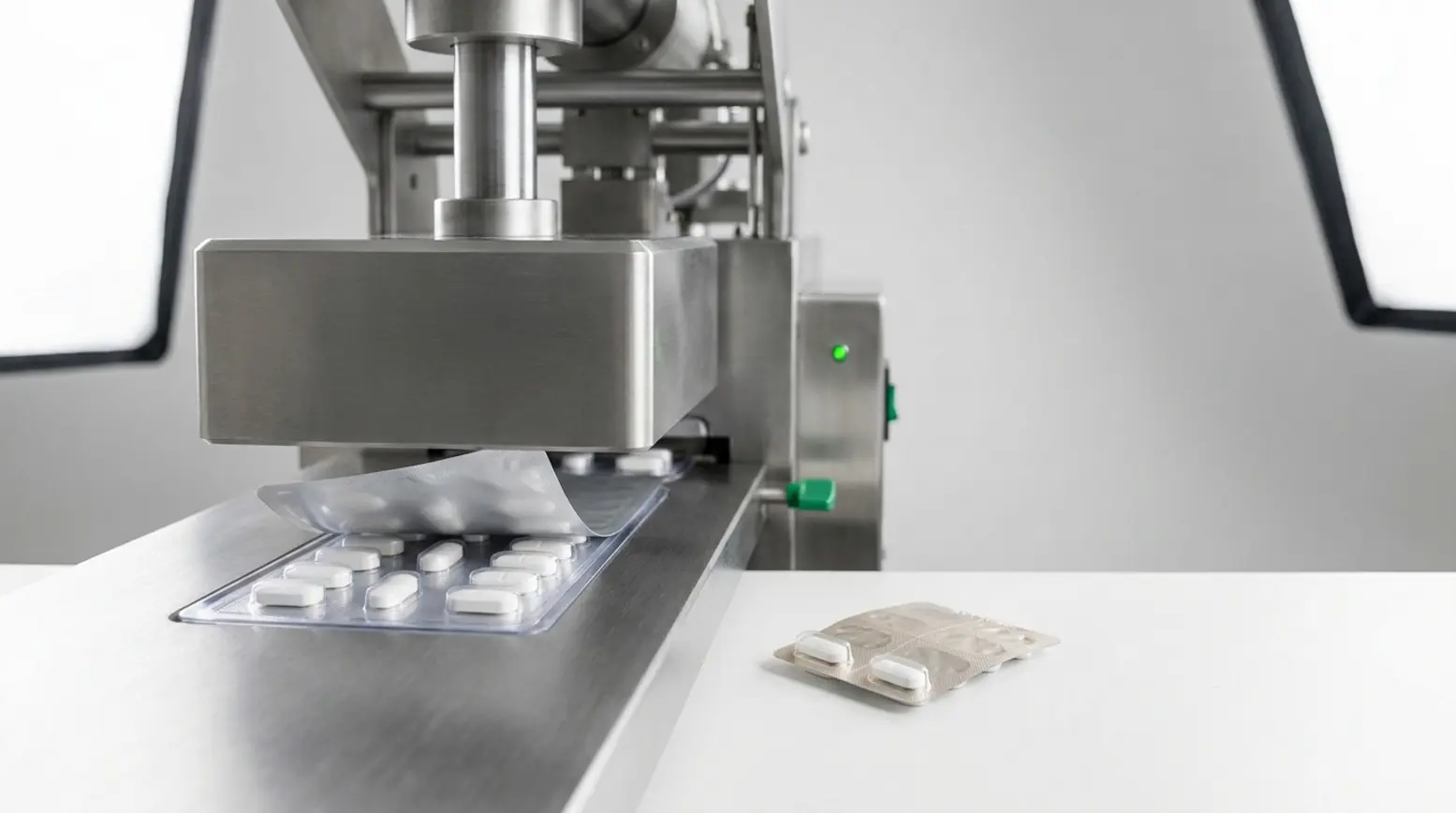
This process still requires precise control. A blister sealing machine used for pressure-sealed packaging must guide the material smoothly, align the sealing areas perfectly, and apply consistent, repeatable pressure. In decisions regarding cold seal for heat-sensitive pharma, the mechanism shifts from heat to pressure, but the fundamental need for stable engineering remains exactly the same.
What pressure sealing means in practice
In practice, pressure sealing means the intended sealing surfaces must align in the correct location with proper contact under carefully controlled conditions. Alignment is critical because the specifically coated areas must perfectly match up. Tooling is equally important, as uneven contact can severely compromise seal quality. Furthermore, material guidance plays a major role since coated webs often behave differently than uncoated structures. This principle holds true for pressure seal blisters as well as any other cold seal packaging formats.
What cold seal does not change
Utilizing a cold seal does not eliminate the need for robust material design, precise tooling, stable feeding, and highly repeatable settings. It also does not replace the requirement to thoroughly test opening behavior and overall pack functionality. We understand both the packaging and the machinery, allowing us to help you seamlessly connect those critical interfaces in a practical way during early evaluations.
When cold sealing for heat-sensitive pharma depends on material compatibility
Cold sealing pharmaceutical packages only works when the chosen material already features the correct cold seal coating or adhesive system. This is a fundamental requirement; therefore, material selection should be finalized well before making a machine decision. If the material is completely incompatible, even a beautifully engineered cold seal blister machine cannot overcome that inherent mismatch.
The project team should select cold seal materials with the full package design in mind. This comprehensive view includes the blister side, the lidding side, the specific sealing pattern, and the desired opening mechanics. In applications utilizing cold seal for heat-sensitive pharma, a pressure seal blister requires surfaces specifically manufactured to bond together in a controlled manner. Because of this, material compatibility must be considered an integral part of the machine selection process rather than an afterthought.
Why the coated surfaces must match
Cold seal materials are uniquely engineered to bond only where the proper coated surfaces touch. If the wrong surfaces meet, it can result in weak seals, handling problems, or unwanted sticking. Consequently, the package layout and machine components must maintain those surfaces in the correct position from the initial feeding stage all the way through to final sealing.
Storage and handling of converted cold seal materials
Converted cold seal materials require strict adherence to the supplier's storage and handling guidelines, as pressure, temperature, and material conditions can heavily impact the coated surfaces. There is no universally safe limit that applies perfectly to every project. A realistic test plan should replicate the actual storage conditions expected in your production facility, incorporating older material alongside fresh batches. This approach provides a much clearer picture of how the cold seal adhesive may behave over an extended period.
Testing needs for cold sealing for heat-sensitive pharma before machine selection
This is arguably the most important step in the buying process. A cold seal machine execution should never be chosen before the actual product, final material construction, and intended tooling have been rigorously tested together. This holistic testing is the best way to assess the full machine and pack setup while defining a truly realistic machine specification. Ultimately, it allows buyers to compare their options with significantly less guesswork.
Relying solely on fresh samples is rarely enough. A robust trial must reflect real production conditions as closely as possible. If a single machine is expected to handle several different designs, every planned format should be included in the trial phase. In evaluating cold seal for heat-sensitive pharma, seal quality relies entirely on the interplay between the product, material, tooling, and handling. Therefore, one successful sample does not guarantee long-term production stability.
What the trial plan should include
The trial plan should evaluate seal quality, opening behavior, material feeding, alignment, repeatability, expected storage conditions, material age, and all planned packaging formats. These elements are critical because cold seal packaging must run consistently, open smoothly for the end user, and remain strictly confined within the designated sealing area. Additionally, the team should observe how the material moves through the machinery over time, as coated webs can react very differently during transport and contact compared to standard heat seal structures.
• Seal quality: Check whether the seal forms precisely within the intended contact area and remains consistent across multiple samples.
• Opening behavior: Verify that the package opens as intended for the user, without damaging the product or compromising the pack's primary function.
• Feeding and alignment: Ensure the material tracks correctly and that the coated surfaces meet in exactly the right position.
• Repeatability and material age: Test both fresh and older materials under expected storage conditions so the results accurately mirror production reality.
• All required formats: Thoroughly test every planned format if the machine will be tasked with handling more than one specific design.
Use this table as a simple decision guide during your trial planning:
| Decision point | Why it matters | What to test |
|---|---|---|
| Product heat sensitivity | Determines whether sealing heat is acceptable | Testing the real product in the final pack during sealing trials |
| Material compatibility | Cold sealing requires correctly coated surfaces | Evaluating the final material design, contact pattern, and coated interfaces |
| Tooling and alignment | Seal quality heavily depends on precisely controlled contact | Checking registration, pressure contact points, and overall repeatability |
| Pack performance | The final package must open and function as intended | Assessing opening behavior and format functionality |
| Production reality | Lab results often differ from actual processing line conditions | Testing material age, storage conditions, and multiple pack formats |
What a successful trial does and does not prove
A successful trial helps define the ideal machine setup, tooling approach, and acceptable working range. This clarity supports a much better purchasing decision because the technical specification is grounded in tested facts. However, a successful machine trial is not a substitute for full validation. Final customer validation firmly belongs in the real production environment, guided by the customer's own internal processes and quality assurance responsibilities.
Machine choice for cold sealing for heat-sensitive pharma in real production
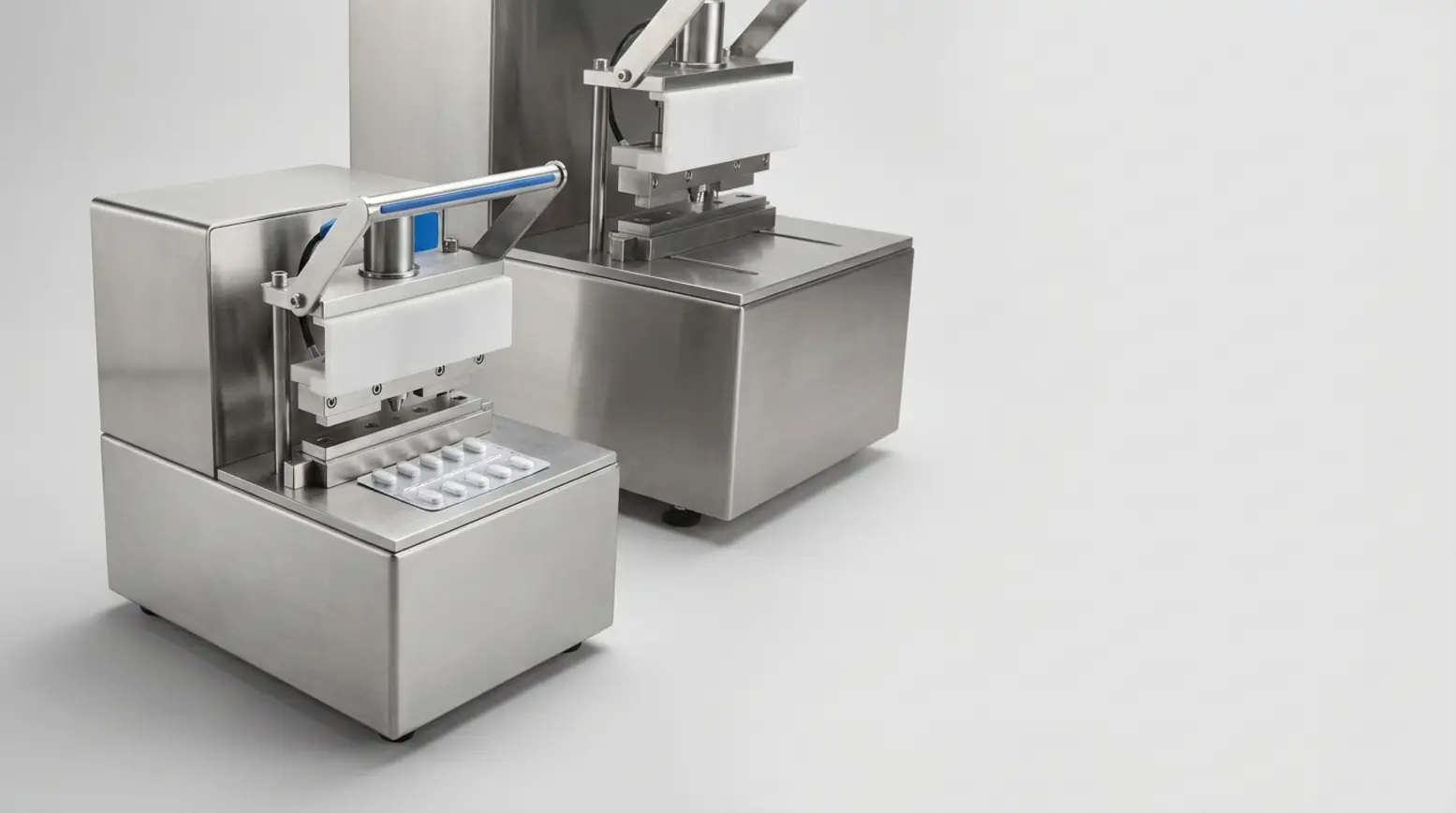
Once the product risks and material compatibility are clearly understood, the machine decision becomes highly practical. We offer both heat seal and cold seal executions across a broad spectrum of machine concepts tailored to different production volumes. Depending on the application, options range from simple tabletop units and single-station systems to advanced rotary and inline solutions. You can easily explore our pharmaceutical packaging machines to view the complete range, but keep in mind that the final setup must always align with your tested product, pack format, and specific line requirements.
In our model codes, the "-CS" designation clearly identifies a cold seal execution. While this is helpful during initial project discussions, the code itself is merely a label. The truly correct pharmaceutical sealing machine depends entirely on the tested combination of product sensitivity, chosen cold seal materials, necessary tooling, desired automation levels, output targets, and broader line integration needs. Ultimately, the machinery must match the verified project facts rather than simply fulfilling a requested sealing method.
How production volume affects the machine choice
Output requirements still play a critical role, even when heat sensitivity dictates the initial sealing choice. Lower-volume projects often fit perfectly on simpler systems that require more manual handling. Conversely, higher-volume production typically demands advanced automation, specialized material handling, or seamless integration into a larger packaging line. Because of these variables, a cold seal blister machine must be selected based on both its sealing suitability and its overall production fit.
Pack options that cold seal can support
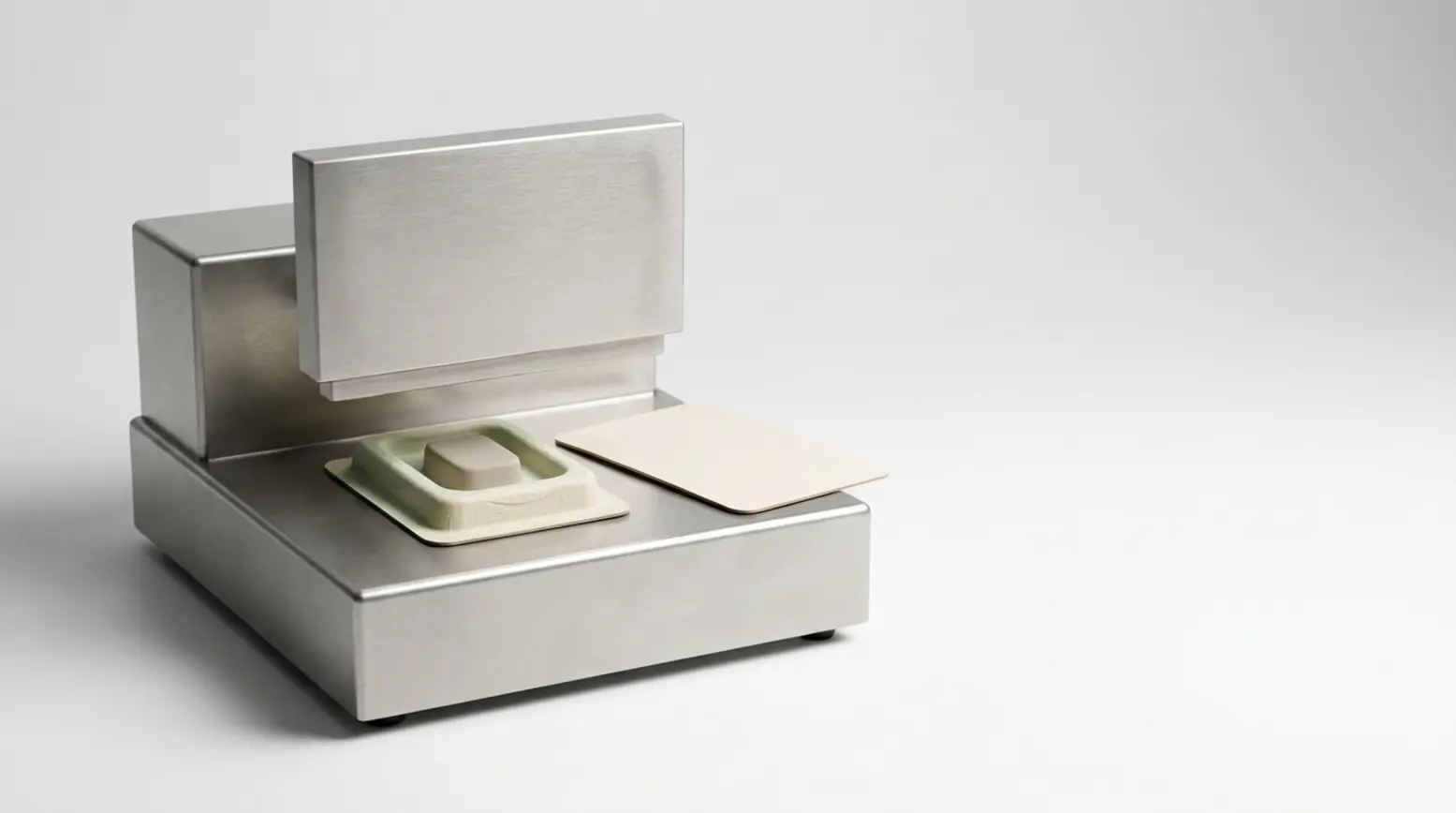
A cold seal execution can support several unique package options, including free-standing formats, multi-panel packs, and even specialized dispenser functions for certain projects. While these are highly useful possibilities, they should only be pursued if they align with the product's actual needs and the tested material setup. These features represent specific machine capabilities, rather than automatic reasons to choose a cold sealing method.
FAQ about cold sealing for heat-sensitive pharma
When is cold seal better for heat-sensitive medicine packaging? Cold sealing is superior when the sealing process must avoid introducing extra heat, particularly if the product or package is prone to thermal reactions. This crucial decision must be based on the real product, the finalized pack design, and the actual risks encountered during production sealing.
Can any blister material be used for cold sealing pharmaceutical packs? No. The package requires a specific cold seal coating or an adhesive system properly matched to the intended structure. Additionally, the sealing machine must be engineered to bring those precise sealing surfaces together in a highly controlled manner.
Does a successful trial mean the package is fully validated? No. A successful trial simply helps define the machine specification and significantly lowers risk prior to a purchase. Full and final validation always takes place within the customer’s own production environment.
Can a single machine handle more than one package format? In many cases, yes. However, every planned format must be included during the evaluation phase before making a final decision. This is vital because material feeding, alignment accuracy, and sealing behavior can shift significantly from one design to another.
What is the main difference between heat sealing and cold sealing in this context? The primary difference lies in how the bond is physically created. Cold sealing relies entirely on pressure, whereas heat sealing requires elevated temperatures to form the bond. When product or package sensitivities turn added heat into a liability, cold seal packaging is usually the safer direction, provided that compatible materials are readily available.
Next step: assess the product, material, and machine together
If you are unsure whether your product's sensitivity truly demands a cold seal setup, the safest next step is to comprehensively review the product, material, and final package together before making a machine selection. This collaborative approach eliminates assumptions and lays the groundwork for a realistic trial plan. Whenever you are ready, you can request a free Quick Scan or discuss a tailored product and material trial with our team prior to selecting your final machine execution.