Paper blister pack retail machine: what it must handle before scale up

A retail machine for paper blister packs can work exceptionally well, but only when the actual material structure has been tested first. The key question is simple: can this exact pack be fed, positioned, and sealed in a stable way at your required volume? Machine choice comes next, as paper and fiber formats can react to moisture, heat, flatness, and pressure in ways that impact the entire process.
• Define the full pack structure first, as machine choice depends on cavity type, board, coating, adhesive, product shape, and target volume.
• Test feeding and positioning before sealing; warped cards or variable cavities can cause drift early in the cycle.
• Prove the sealing window with real materials, since two paper surfaces will not bond reliably without the right coating, adhesive, or pressure-based design.
• Match the machine type to process maturity, ensuring manual, rotary, or inline equipment is chosen for its proven stability rather than just speed.
• Use realistic trials and production-like tooling before scaling up, as minor material variations can easily become major output problems later.
Why choosing a retail machine for paper blister packs starts with the material structure
Many brands explore fiber formats because they want to offer sustainable blister alternatives on the shelf. This interest is understandable, and you can read more about sustainable blister packaging options in our dedicated blog. In a production environment, however, the initial focus shifts. We need to know exactly which pack structure will be run. A paper blister pack retail machine is ultimately selected based on actual materials and pack geometry, rather than just a general idea of paper packaging.
This step matters early on because paper blister packaging encompasses vastly different constructions. A formed fiber cavity behaves very differently from a trapped board design, and both differ significantly from a standard blister card featuring a plastic dome. Consequently, the same paper blister machine concept will not suit every format equally.
What counts as a paper-based blister format
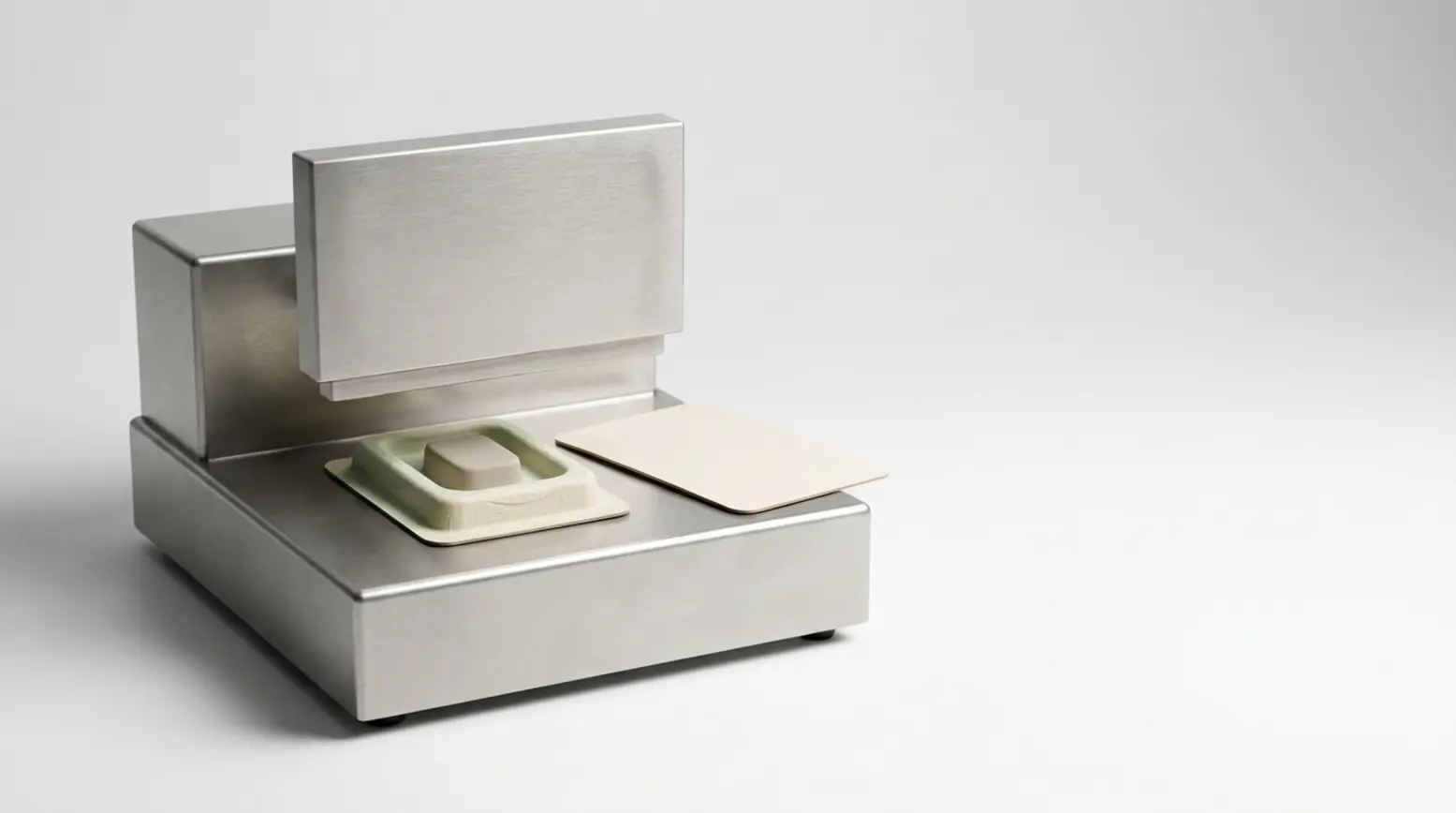
Paper-based retail packs can include formed fiber cavities, paper cavities, trapped board designs, and other fiber-led concepts. Some projects also utilize a molded fiber blister that supports the product and is closed with a paperboard layer. While these packs may look similar on the shelf, they behave very differently during feeding, placement, and paper-based pack sealing. For broader background information on these formats, our guide to paper blister packaging explains the main construction types in detail.
How it differs from a standard blister card
A paper card with a conventional plastic blister is not the same as a completely plastic-free blister pack. This distinction is critical because handling, sealing, and tooling requirements can vary dramatically. It also matters when teams discuss recyclable blister packaging, as the final structure determines what is actually being tested and how the pack will behave inside the machinery.
What a paper blister pack retail machine must handle before sealing starts
Many production issues begin long before the pack reaches the sealing station. Paper and fiber materials can vary in flatness, thickness, and dimensions, meaning the machine must transport them in a highly controlled manner. If blanks curl, swell, or sit unevenly, registration can shift, and seal quality will inevitably suffer later in the process. This is why paper packaging tolerances should be evaluated at the start of a project, rather than waiting until machine settings are being discussed.
Card flatness and dimensional stability
Paper can change due to moisture, storage conditions, temperature fluctuations, and transport. A card that looks perfectly flat when samples first arrive may curl later in the warehouse or on the production floor. Formed fiber parts can also exhibit more variation than standard plastic film cavities. These changes affect how the product sits, how the lidding layer lands, and how pressure is applied. Therefore, any fiber-based packaging machine project should always include checks after realistic storage and handling.
Feeding, picking, and registration risks
Feeding is often the first true test of stability. If a blank does not separate cleanly, if a cavity fails to sit flat, or if placement shifts slightly with each cycle, output can slow down rapidly. In many cases, the root problem is not the sealing station itself. Instead, the issue starts earlier with presentation, picking, transport, or alignment. All of these steps must be thoroughly reviewed before final process settings are established.
How sealing works on a retail machine for paper blister packs
Two paper surfaces do not seal together simply because both layers are fiber-based. The pack may require a heat-seal coating, an adhesive layer, or a pressure-activated structure. Therefore, the joining method must align perfectly with the full material combination and the pack's overall design. This remains true whether you are working with a molded fiber blister, a paper cavity, or another paper-based retail format.
Heat-seal, cold-seal, and adhesive joining
Some concepts utilize heat-seal paper packaging, where a coated surface bonds under specific temperature, pressure, and dwell time conditions. Other concepts rely on adhesives or a pressure-based closure method. We provide both heat-seal and cold-seal capabilities, ensuring the chosen process is based on actual pack requirements rather than generic assumptions about paper materials.
Why the sealing window must be proven
Each coating or adhesive has a specific working range. In practice, this means the usable settings for temperature, pressure, and time are limited. If settings drift outside that window, the pack can suffer from poor appearance, weak bonds, or inconsistent results across a production run. A paper blister pack retail machine should therefore be thoroughly tested with the exact material layers, product load, and pack geometry that will be used in full-scale production.
Matching a paper blister pack retail machine to your development stage and production volume
The same pack concept might require a completely different machine setup as production volume changes. A format that works well under close operator control during early trials may need further validation before transitioning to faster automation becomes sensible. Because of this, machine selection should closely follow process maturity, rather than being based on output targets alone.
Lower volumes and early development
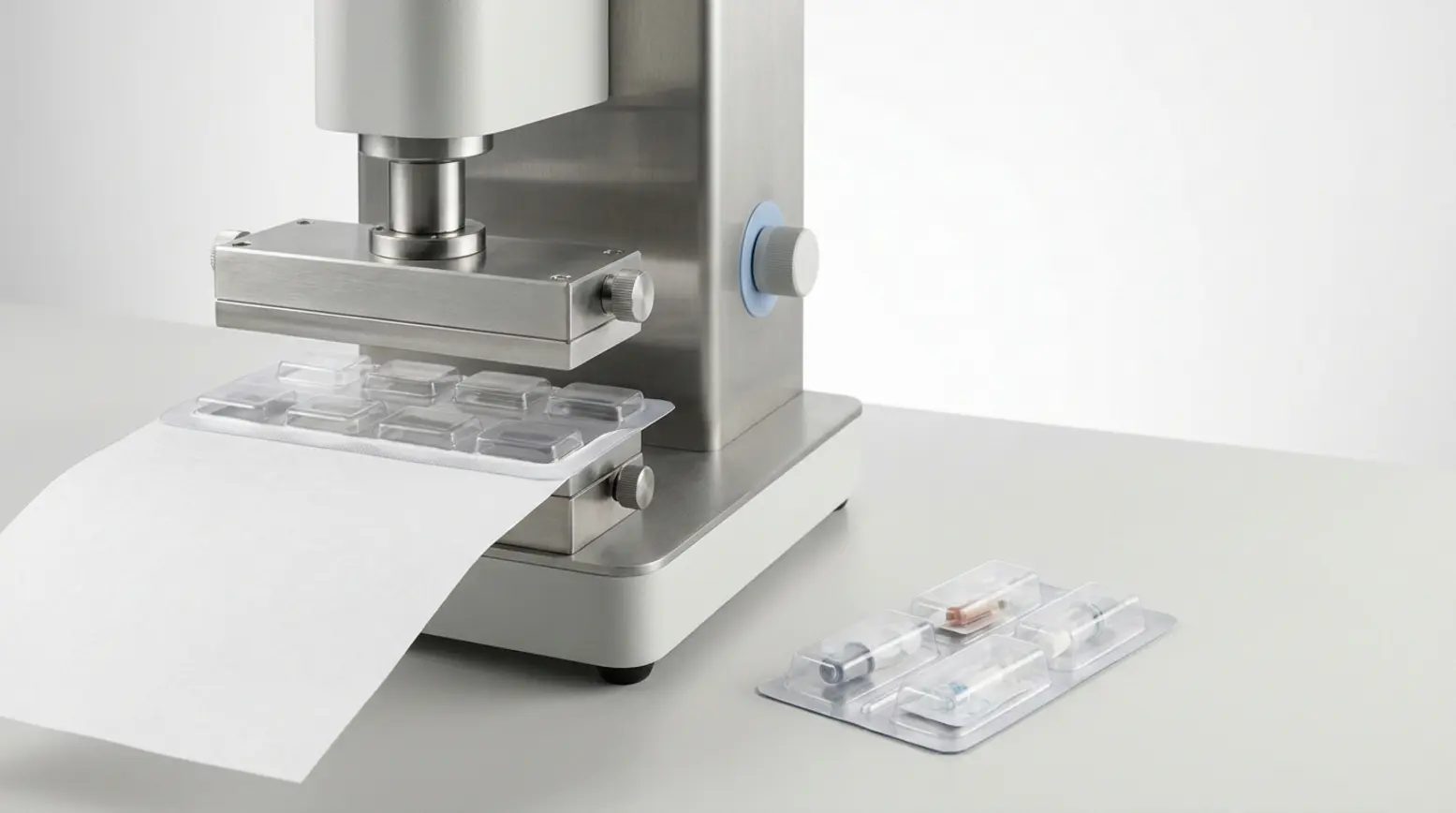
Manual tabletop and manual shuttle equipment can be highly beneficial when the format is still under review or when output needs are lower. These setups allow for close observation of feeding, product placement, registration, and seal formation. This visibility is invaluable, as it helps teams learn exactly where the process window is wide and where the format remains sensitive.
Repeat production at medium or higher volumes
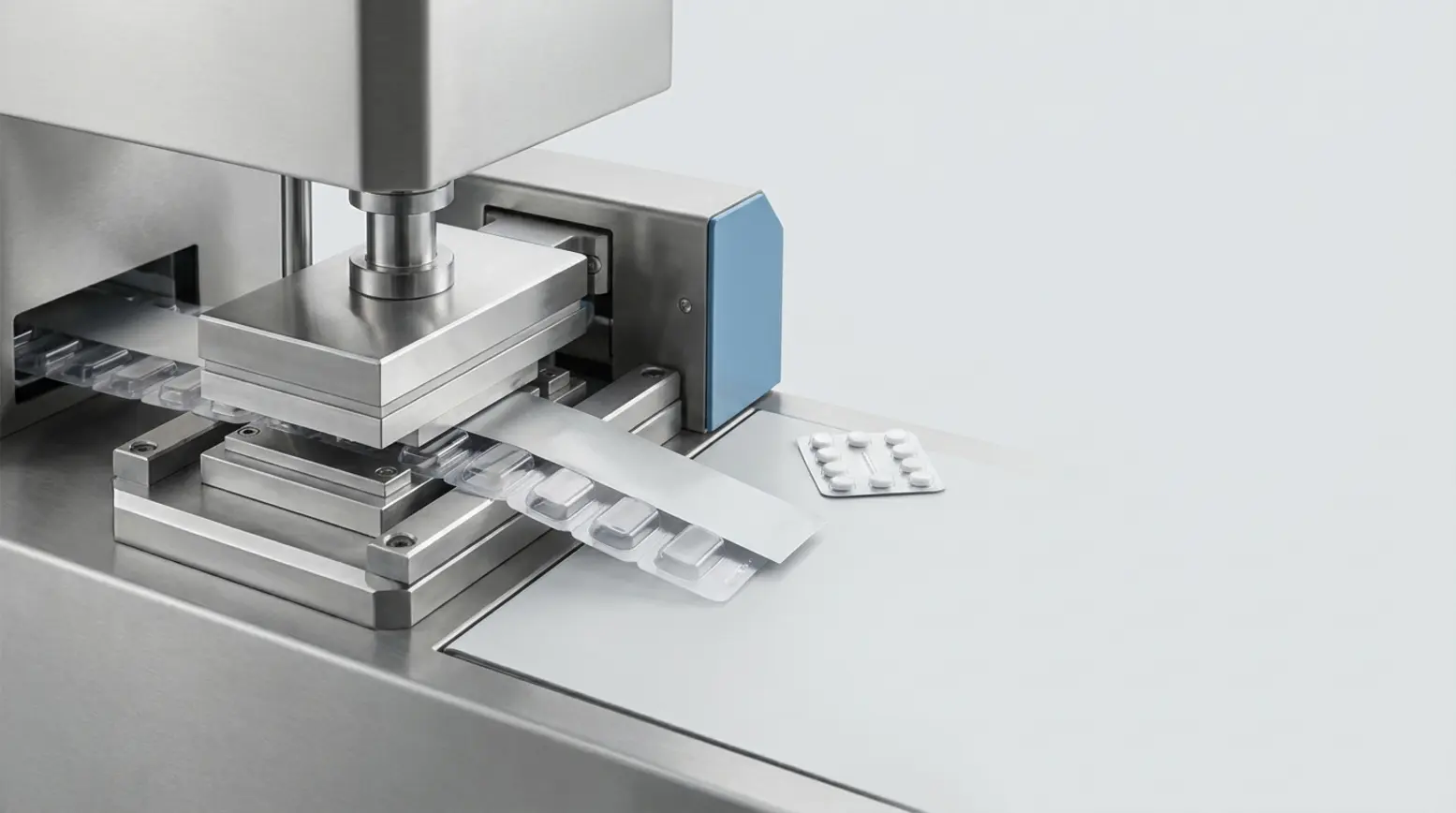
Rotary equipment is an excellent fit for repeat production once feeding and sealing processes are already stable. Taking this step makes sense only after material behavior is consistent and placement remains accurate from cycle to cycle. You can review our retail packaging machines for paper-based blister formats once your primary material and process requirements are clearly defined.
High-volume automation after proof of concept
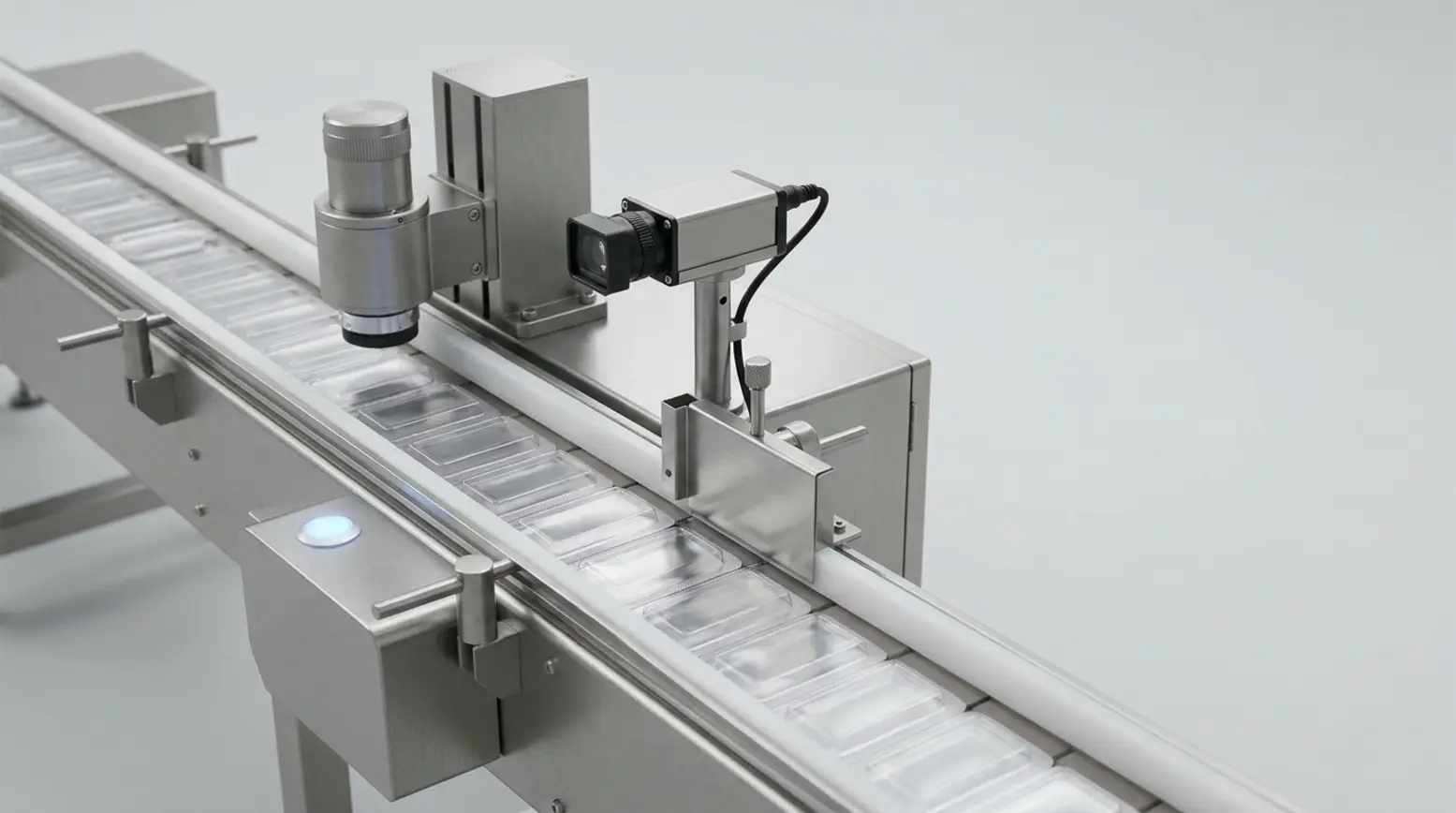
Automatic inline production is typically the right next step only after handling and seal quality have been successfully proven in trials. Higher machine speeds will not solve natural variations in cards or cavities; they merely expose those variations much faster. Therefore, inline automation must follow stable proof of concept, not precede it.
How to test a retail machine for paper blister packs with real materials before scaling up
Machine trials should answer one practical question: will this exact pack structure run reliably at the planned volume? A visual sample alone is never enough. The trial should demonstrate how materials move, how seals form, how the product sits within its cavity, and how the finished pack looks after normal handling.
Trial checklist for production readiness
Before scaling up, thoroughly review the full material structure and layer order, card flatness, cavity consistency, feeding, picking, registration, seal formation, seal appearance, finished pack appearance, and opening behavior (when applicable). These checks matter because a minor weakness in paper-based pack sealing can easily escalate into a major production problem once output increases.
• Pre-trial inputs: material structure, pack dimensions, product weight, target volume, desired automation level, storage conditions, and preferred joining method.
• Main test focus: flatness, separation, placement accuracy, sealing range, finished pack aesthetics, and stability over repeated cycles.
• Scale-up decision: move forward only when handling and sealing remain consistent with the actual pack geometry and expected production conditions.
Test after realistic storage and handling
A robust trial uses materials that reflect real-world plant conditions. If humidity, transport, or warehouse storage time can alter the blanks, those variables should be factored into the testing plan. This is especially important in any fiber-based packaging machine project, as paper and fiber may warp or shift more than expected over time. Testing only factory-fresh samples can obscure risks that will inevitably appear later during full production.
Use tooling that matches the real pack shape
Development samples should always be created using tooling that reflects the planned pack shape and dimensions as closely as possible. A simple mockup may look acceptable in a boardroom meeting, but it will not highlight uneven pressure, placement drift, or localized seal weaknesses. Our integral approach to machine selection and implementation helps connect material choices, tooling, and machine setups early in the process, significantly reducing scale-up risks.
When to involve machine selection, tooling, and implementation support
Material choice, machine setup, and tooling should all be discussed collectively because each element heavily influences the others. If the cavity depth changes, the feed path will likely need a review. If the coating changes, the optimal seal settings will usually shift as well. This principle applies equally to a plastic-free blister pack, a trapped board design, or any other paper-led concept where stable repeatability is essential.
What to prepare before the first machine discussion
Come prepared with the planned material structure, pack dimensions, target volume, and desired level of automation. It is also helpful to share product weight, storage conditions, and any early ideas regarding heat-seal, cold-seal, or adhesive joining methods. Armed with this information, we can accurately assess likely risks and outline a practical route for trials, tooling, and final implementation.
Why the same concept may need a different setup at a different volume
A concept that performs perfectly in short runs may require completely different tooling, feeding controls, or seal settings during longer runs. This is completely normal; higher output inherently reduces the amount of natural variation the process can safely absorb. If you already have a physical sample or an early concept, bring it into a free Quick Scan or machine discussion along with details on pack size, material structure, target volume, and automation level, so we can help you assess the best next step.
FAQ
Can every paper blister format run on the same machine? No. Material structure, flatness, the sealing method, pack size, and target speed all affect machine choice. Some formats are better suited to lower-volume equipment first, while others can transition to rotary or inline production after initial trials demonstrate stable handling and sealing.
Is a paper card with a plastic blister the same as a plastic-free blister pack? No. A paper card featuring a conventional plastic blister is a fundamentally different construction. That difference impacts handling, tooling requirements, and exactly how the final pack is sealed.
Does paper-based pack sealing work with heat only? No. While some formats use heat-seal paper packaging, others rely on adhesives or pressure-activated constructions. The joining method must always match the actual material layers and the final pack design.
When is automatic inline production the right step? It is usually the appropriate next step only after stable feeding, registration, and sealing have been fully proven in trials. High inline speeds work best when the underlying process is already highly repeatable.
What should a buyer bring to an initial discussion? Bring a material sample if possible, along with the pack size, target volume, storage conditions, and the desired level of automation. This information provides a strong foundation for accurate machine selection and trial planning.