Retail blister card sealing machine guide for pack selection

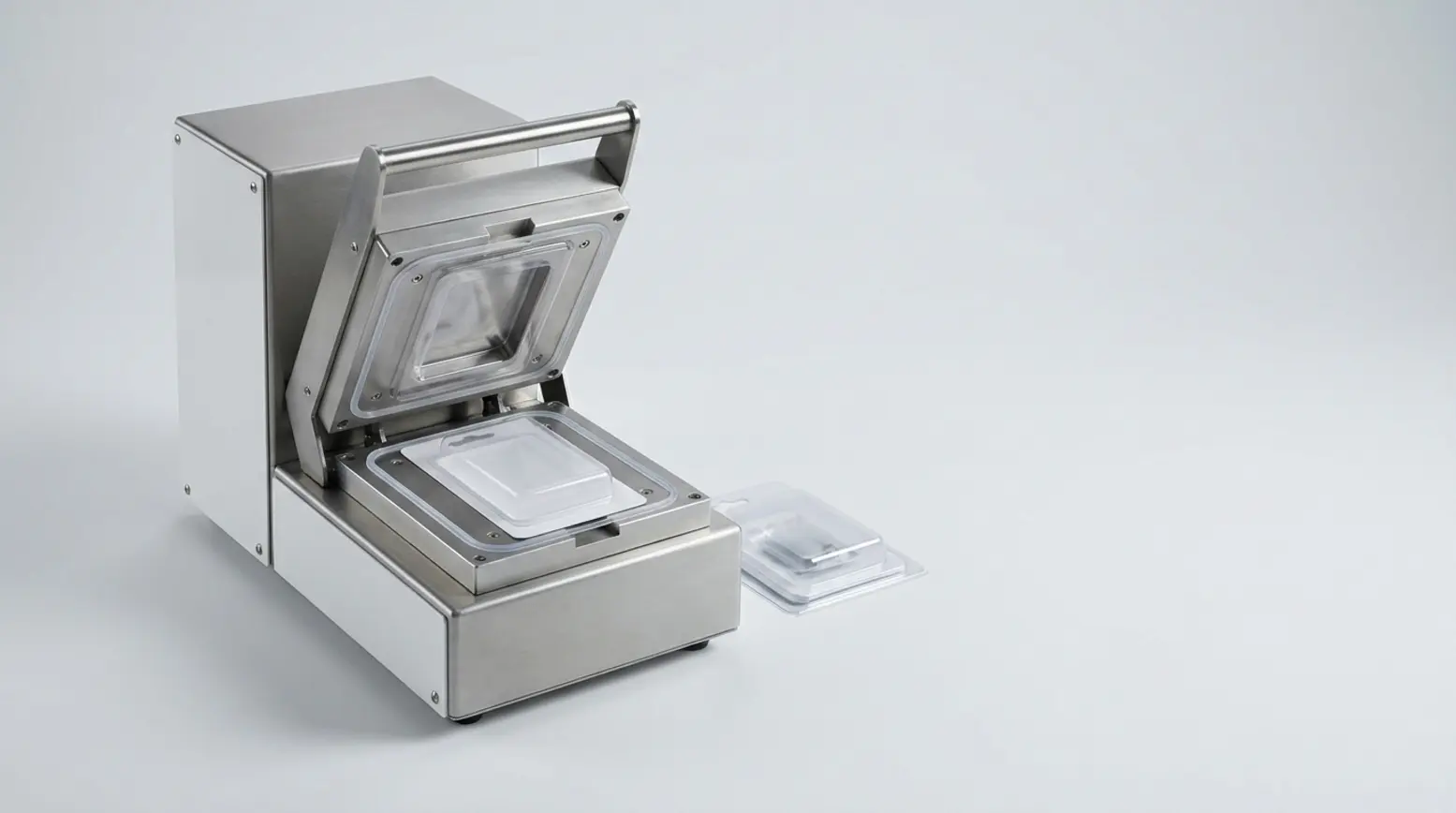
Choosing the right retail blister card sealing machine starts with the finished pack. You should first check the card size, blister shape, seal area, card coating, and loading method, as these factors determine which machine class and tooling can run the pack reliably. Speed becomes important later. Initially, you must establish whether the card and blister pack can be effectively sealed, handled, and fed in a real production environment.
• Start with the approved pack, as the pack's shape and seal path dictate the machine requirements.
• Check the blister sealing area early on; it establishes a strict limit for both card size and tooling.
• Match the card coating, blister material, and print finishes, given that seal quality relies on the entire production system.
• Choose automation based on volume, loading methods, product variants, and line integration, since volume alone is not a sufficient metric.
• Provide real samples or accurate drawings to make machine and tooling selection much more reliable.
Retail blister card sealing machine: start with the finished pack
A retail blister card sealing machine should be selected based on the finished retail blister packaging format rather than general brochure claims. This approach is the fastest way to answer the main question: which machine can run your pack effectively? While a blister card pack might look simple on the shelf, actual production results depend heavily on geometry, sealing, and handling. If the card size is too large, the flange too narrow, or the product difficult to load, choosing the wrong machine will inevitably lead to sealing problems and lost time. For a general overview of formats, our blister packaging guide explains the basics in clear, simple language.
What a retail blister card pack includes
A typical card and blister pack consists of three main components: the card, the formed blister, and the seal area around the blister flange. The card provides rigidity, print space, and shelf display value, while the blister holds and showcases the product. The flange is the flat outer edge of the blister that actually seals to the card. This seal area must be even and sufficiently wide, as successful blister card sealing requires complete contact around the entire perimeter.
Why the approved pack must lead the machine decision
Card size, blister depth, flange width, and product layout all heavily influence machine selection and blister card tooling. For instance, a deep blister can alter loading methods and tool design, while a narrow flange reduces the safe sealing margin. Likewise, an unusual product shape can slow down feeding or necessitate additional manual handling. Therefore, once the pack design is approved, it should dictate the machine decision from the very beginning.
Retail blister card sealing machine: the sealing area sets the real limit
The usable blister sealing area is one of the most critical factors to check when choosing a retail blister card sealing machine. It establishes a physical limit for the card format and tooling size the machine can accommodate. This detail is often overlooked early on, as buyers typically compare output or general machine dimensions first. However, a machine will only perform well if the tool makes precise contact with the entire seal path.
Blister sealing area and card dimensions
The sealing area represents the working space where the tooling presses and bonds the blister to the card. If the finished card is too large, or if the blister sits too close to the card's edge, the tool may fail to support the full perimeter adequately. A pack might look flawless on a drawing but still perform poorly during production. For this reason, card dimensions and blister placement must be evaluated early against the capabilities of the specific machine class.
Why one model specification does not define the full machine range
Manual units, rotary machines, and inline systems simply do not share the same practical limits. The feeding method, station layout, automation level, and tooling arrangement can completely change what is realistic for a project. Therefore, a single published sealing area should never be applied to an entire range of machinery without verifying the exact setup. This is precisely why we request physical samples or accurate drawings as early as possible.
Retail blister card sealing machine: card construction and seal compatibility
Successful blister card sealing does not rely solely on the equipment. The card and blister materials must seamlessly work together. A heat-seal blister card requires a compatible heat-seal coating in the bonding area, which is where the blister physically attaches to the card. If this coating is incompatible with the blister material or the sealing process, the resulting seal may be weak, uneven, or visibly marked. Ultimately, a retail blister card sealing machine can only perform optimally when paired with suitable packaging materials.
Heat seal coating in the bonding area
The coating in the seal zone must be tailored to both the blister material and the specific sealing process. This is a fundamental rule for operating stable blister card sealing equipment. High-quality results rely on uniform contact around the perimeter, an appropriate combination of card and blister, and precisely controlled machine settings. Even the most carefully designed retail packaging machine cannot compensate for an incompatible card surface.
Printed blister card finishes and seal performance
A printed blister card often features inks, varnishes, laminates, and decorative finishes. These elements can significantly impact sealing performance because the seal zone must remain capable of forming a strong bond. A card may look fantastic during a design review but fail on the production floor if the bonding area is improperly managed. Consequently, print design and seal design should always be evaluated together as a single, unified system.
When cold seal is an alternative
Certain projects utilize cold sealing due to specific pack concepts or heat-sensitive products. While this is a valid option, it should be selected for clear process-driven reasons. If you are looking for a simple comparison, our article on sealing methods clearly explains the differences between heat seal and cold seal technologies. The key takeaway remains the same: the overall pack concept must align with your chosen process and machine.
Retail blister card sealing machine: tooling, flange, and card geometry
Tooling must always follow the exact specifications of the physical pack. The sealing tool needs to perfectly match the blister flange, the card outline, and the intended seal perimeter. Because general drawings often miss subtle yet crucial shape details, tooling decisions should rely entirely on real-world dimensions. This principle holds true whether you opt for a simple blister packaging machine setup or a fully automated line.
How blister card tooling follows the pack
Blister card tooling must provide even pressure along the entire seal line. If the flange width varies, the corners are tight, or the overall shape is uneven, the tool must accurately reflect those specific quirks. A physical sample is usually much more informative than a rough sketch, as it reveals the card's stiffness, the exact flange shape, and the true seal path. Consequently, you can match the tooling and machine class with far fewer assumptions.
Euro hole blister card and hang tab effects on feeding
A euro hole or hang tab is an integral part of the blister card's geometry. It directly affects orientation, handling, and automatic card feeding, as the card must enter the process in the exact same direction every time. If the shape is irregular, the card is too flimsy, or the die cut creates orientation problems, feeding will become unstable. While this detail is easy to overlook, it quickly becomes a critical issue in semi-automatic or fully automatic production.
Retail blister card sealing machine: matching machine class to volume and complexity
While production volume matters, it should not dictate your machine choice in isolation. Pack size, product loading procedures, variant counts, desired automation, and line integration play equally important roles. We offer a variety of retail packaging machines developed in partnership with Starview, ranging from manual tabletop and single-station shuttle machines to semi-automatic rotary and fully automated inline systems. This diverse lineup allows us to accurately compare different machine classes against the exact requirements of your pack.
Low volume projects
Manual tabletop and shuttle machines are typically a practical fit for low-volume work. They are also ideal for early-stage projects, frequent format changes, and packaging that requires human control during the loading process. A slower machine can still be the correct choice; at this stage, stable sealing and straightforward format handling usually matter far more than maximum output speed.
Medium volume production
Rotary equipment is often perfectly suited for medium-volume production, improving overall output while keeping the process manageable. It performs best when pack geometry is repeatable and the loading process remains reasonably stable. However, if your formats change frequently, you should carefully evaluate this before introducing higher levels of automation.
High volume production
Automated rotary, carousel, and inline systems are designed for high-volume production where formats are stable and the process requirements are well-defined. These setups can incorporate loading support, automated feeding, inline inspection, printing, and downstream handling. Bear in mind that they rely heavily on repeatable geometry and consistent orientation, meaning inconsistent packaging can quickly diminish the value of advanced automation.
Why volume alone is not enough
Even when a faster machine is available, short production runs and frequent variants can make manual loading the superior option. Exceptionally large cards can negatively impact tool sizing and handling, while deep blisters may complicate product placement. Existing line conditions are also crucial, particularly if the new machine needs to integrate seamlessly with older equipment. Ultimately, the best blister card sealing equipment is the one that fits your actual daily process, rather than just your target output.
Practical checks before you compare machine specifications
Before comparing manufacturer claims, confirm the exact details of your final pack. This saves valuable time, ensuring the machine and tooling align with your true production needs. The same machine model can behave completely differently when card construction, loading methods, or blister geometry change. Using a short checklist keeps the equipment discussion focused and practical:
• Finished card dimensions
• Blister depth and product fit
• Blister flange width and total seal perimeter
• Card construction and stiffness
• Coating formulation in the bonding area
• Hang tab or euro hole position
• Printed finishes, including inks, varnishes, or laminates
• Product orientation and loading method
• Expected production volume
• Planned format changes and total variant count
What to send when a pack already exists
If your packaging format already exists, provide actual samples or highly accurate drawings to the manufacturer. A physical sample clearly demonstrates card stiffness, flange shape, print finish, and the precise seal path. This offers a significantly better foundation for selecting the right tooling and machine fit. It also reduces technical risk early on, allowing practical details to surface long before equipment commitments are finalized.
Here is a simple comparison table to help guide your early selection process:
| Machine class | Typical production situation | Loading style | Key fit factors |
|---|---|---|---|
| Manual table top | Low volume, early projects, many variants | Manual | Simple setup, flexible handling, short runs |
| Manual shuttle | Low to medium volume, controlled sealing needs | Manual | Stable tooling contact, practical for changing packs |
| Rotary | Medium volume, more regular production | Manual or semi-automatic | Better output, repeatable format, balanced complexity |
| Automated rotary or carousel | Higher volume, stable pack family | Automatic or assisted | Repeatable geometry, stronger case for automation |
| Inline | Large production needs, integrated lines | Automatic | Line integration, stable orientation, defined process flow |
Automation options and line integration
Automatic blister or card feeding functions best when geometry and orientation remain perfectly repeatable. If the card shape fluctuates too much, or if the blister fails to present consistently, feeding becomes exceptionally difficult to control. Add-ons like vision systems, printing capabilities, and scanning modules can be integrated, provided your production demands justify them. These automation options must serve the process effectively, meaning they should only be added for clear, measurable reasons.
When automatic feeding works well
Automatic feeding succeeds when the card and blister possess stable dimensions alongside a predictable orientation. Naturally, product handling must also remain consistent throughout the run. If a specific product is tricky to place in the blister, or if the card geometry inherently causes orientation problems, manual loading may ultimately prove safer and more efficient.
Integration into the existing line
The equipment decision process continues even after a specific model is selected. Installation, initial setup, operator ergonomics, and overall line fit are crucial, as the machine has to function smoothly within your existing production environment. We actively support this transition through comprehensive machine implementation and integration, ensuring the final setup is optimized for practical daily use. This tailored approach covers tooling, feeding mechanisms, operator training, and reliable post-delivery support.
Why machine selection should follow the pack
While brochure specifications are certainly useful, they are never enough on their own. The vital question is whether the machine can actually run your blister card packaging with stable seal quality, practical loading mechanics, and efficient format changes. Because we understand both the pack engineering and the machinery, we can help specify equipment that perfectly suits your intended format. This strategy keeps your decision firmly rooted in real production needs and helps avoid expensive mismatches down the road.
Next step for your project
If you are still in the early stages of your project, ask us for a free Quick Scan. We can review your packaging concept, recommend a likely machine class, and identify main format risks before you invest too much time. If you already have defined cards, blisters, technical drawings, or specific volume targets, you can contact us about your pack and volume, and we will gladly guide you to the next step. Our discussion can easily expand to cover custom tooling, automation levels, and any unique integration needs.
FAQ
How do I know if my blister card fits a machine’s sealing area?
You need to carefully compare the usable sealing area against the full pack format and the required tooling layout. Check the finished card size, the exact blister position, and the planned seal perimeter. Never assume that one model's specification applies uniformly to an entire machine range.
What does a heat seal blister card need to run well?
It requires a compatible heat-seal coating specifically applied in the bonding area, an appropriate blister material, correct tooling contact, and tightly controlled machine settings. Print finishes matter as well, since decorative inks, varnishes, and laminates can easily interfere with the seal zone's ability to bond.
Can a euro hole blister card affect automatic feeding?
Yes. The euro hole is an integral part of the die-cut shape, meaning it directly impacts orientation and mechanical handling. If the hole causes the card to feed inconsistently, your automatic feeding process will quickly become less stable.
When is manual loading still the right choice?
Manual loading is frequently the best choice for short production runs, high variant counts, difficult product placement, or rapidly changing formats. In these specific situations, simple handling and reliable seal quality are vastly more valuable than sheer machine output.
What should I send when I already have a card and blister design?
Send physical samples if at all possible. If samples are unavailable, provide highly accurate drawings that outline the finished card dimensions, blister depth, flange details, coating specifications, and your expected production volume. Supplying this comprehensive data makes machine and tooling selection far more reliable.