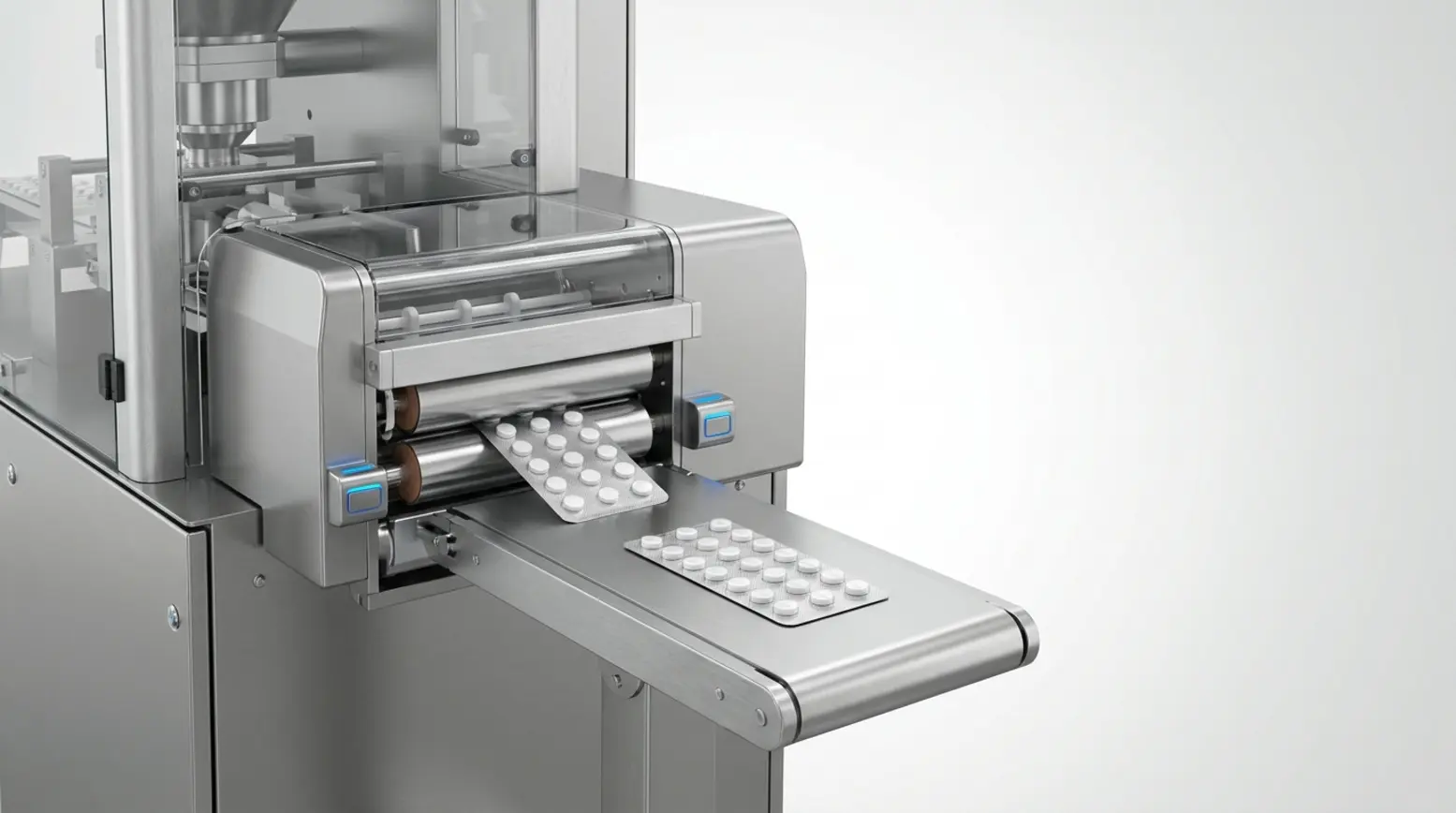
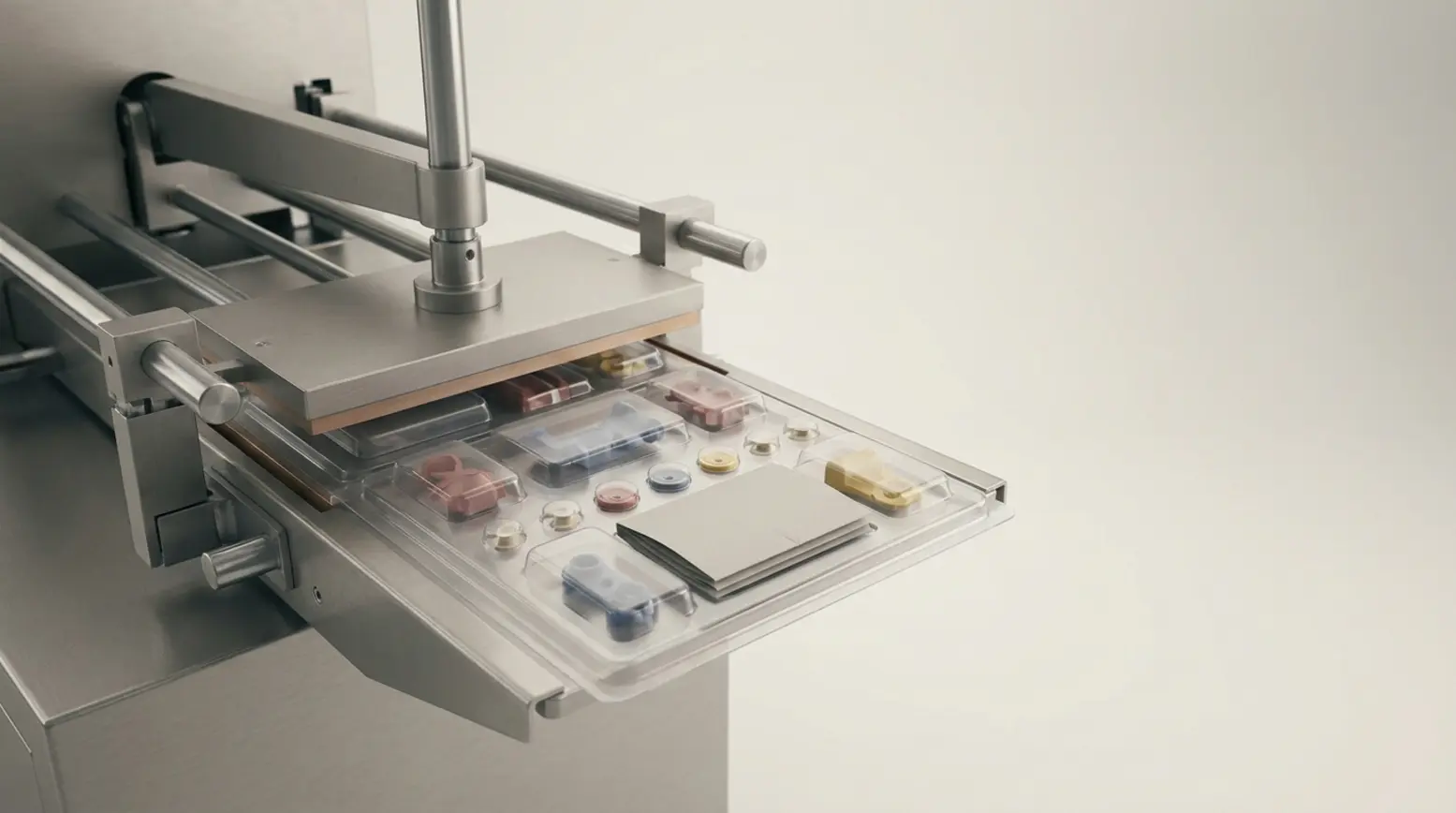
Food tray sealing machine, how to choose the right tooling and line setup

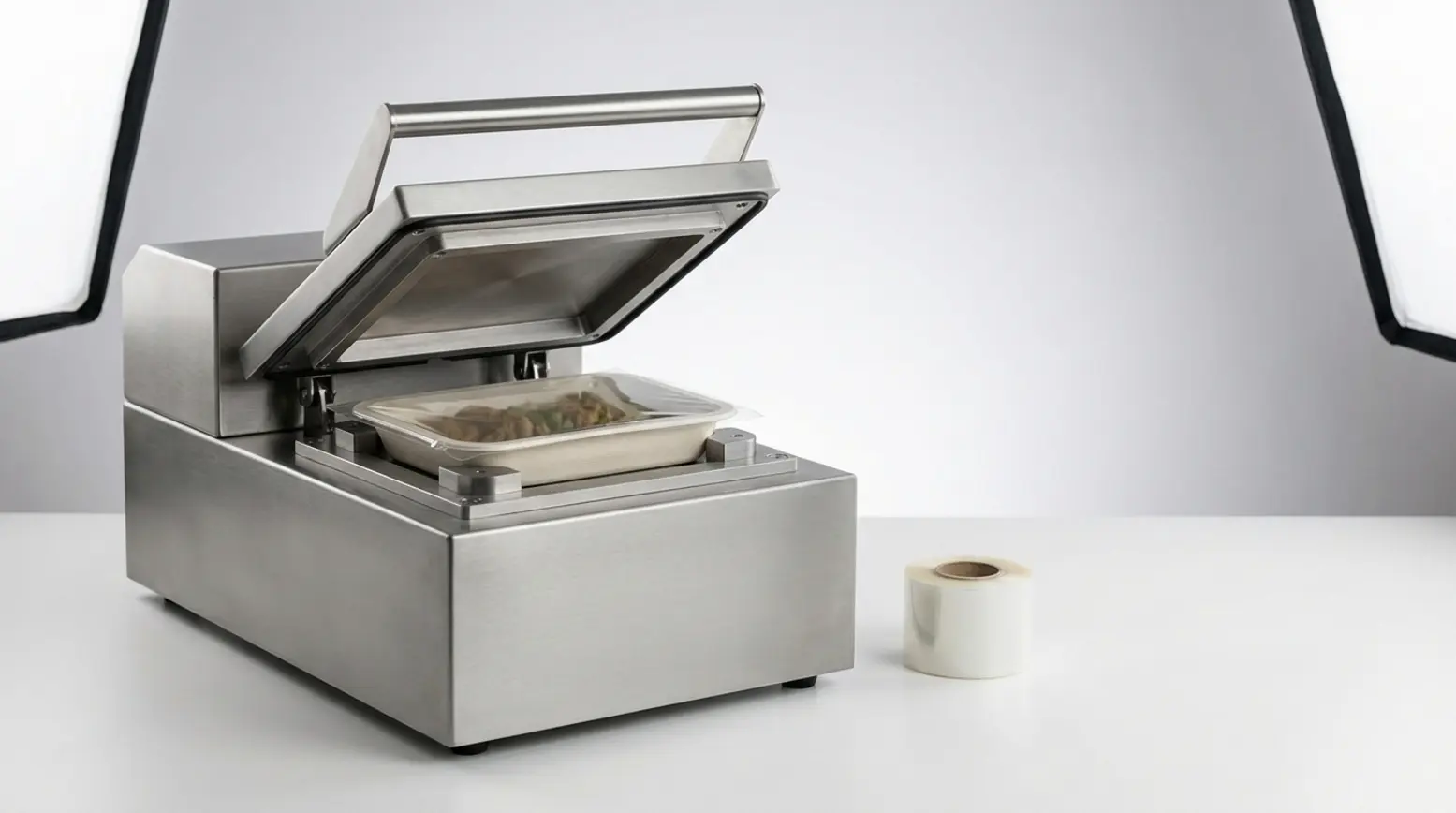
A food tray sealing machine is the right choice when it closely matches the tray, lidding material, tooling, cleaning needs, and production flow. Buyers should always start with the package itself, as the tray shape, flange design, lidding structure, and sealing layer all significantly affect machine compatibility. While a machine might use the same basic sealing principles as other equipment, that does not guarantee it is suitable for preformed tray sealing in daily food production.
• Start with the tray and lid, as proper machine fit depends entirely on the actual packaging system.
• Check tooling early; changes in tray size often require setup adjustments or completely new tooling.
• Review cleaning access, material handling, and line layout, since these factors heavily impact daily use and uptime.
• Do not assume process verification relies on the machine alone. The producer remains fully responsible for testing and quality control.
• Compare standard and dedicated setups early on to avoid making a poor equipment choice.
Why food tray sealing machine decisions start with the pack
A food tray sealing machine effectively seals lidding material to the flange of a preformed tray using controlled heat, pressure, and time. Although the basic concept is simple and shared with other packaging processes, tray sealing typically requires a more specific setup. The tray must be supported correctly, and the lidding material must perfectly match both the tray and the process. For a broader explanation of various sealing methods, it is helpful to understand where these principles overlap and where tray sealing requires a specialized approach.
The tray serves as the starting point because its shape, depth, dimensions, and flange geometry directly dictate how the machine holds and seals the package. The lidding material is equally important, as the sealing layer must be highly compatible with the tray. Furthermore, product loading, cleaning access, and line layout all play crucial roles. Therefore, a thorough initial review should evaluate the entire packaging system before you even begin comparing machines.
How a food tray sealing machine depends on the tray, lid, and seal layer
The packaging system must function as a cohesive whole
The tray material, flange design, lidding construction, and sealing layer must all work seamlessly together. If even one component is mismatched, the machine might still operate, but the output will likely lack the stability required for rigorous daily production. For this reason, tray sealer packaging should always be assessed as a complete system rather than as isolated parts. Because we work with both packaging materials and machinery, we understand that the package and the machine must be evaluated together before any final decisions are made.
Food package seal integrity depends on the actual process
The seal integrity of a food package is highly process-specific. The producer must clearly define what constitutes an acceptable seal for their unique combination of product, tray, and lidding. Afterward, they must test and monitor those results consistently during production. While a food packaging machine facilitates this process, it cannot guarantee the final outcome entirely on its own. This distinction is critical in food packaging, as real-world production conditions will inevitably influence the final results.
When a food tray sealing machine requires dedicated tooling and format control
Tray size variations impact tooling
Changing the tray size almost always impacts the tray sealing tooling. Since the tooling is responsible for holding and positioning the tray, even minor variations in length, width, depth, or flange shape can make a significant difference. For example, switching from a 180 by 130 mm tray to a 220 by 160 mm format will typically require either a completely different tooling set or substantial adjustments before the machine can run smoothly. This is a common consideration with food tray packaging equipment and should be discussed early in the planning phase.
Format changeover frequency affects costs and workflow
Running a single tray format year-round creates a vastly different daily workflow compared to a line that switches sizes on a weekly basis. Frequent format changes heighten the importance of rapid changeover times, simplified setup steps, and operational repeatability. Consequently, prospective buyers should always ask how easy it is to remove, clean, reset, and verify the tooling between different formats.
Printed lidding introduces additional control requirements
While some projects utilize plain lidding film, others rely on printed or registered lidding, which requires the artwork to land in the exact same position on every package. When this is the case, the tray lidding machine will likely need enhanced film control capabilities. This requirement can significantly influence machine selection, tooling design, and the overall line layout. Additionally, some applications necessitate a film-to-tray sealing function that involves cutting or trimming during the cycle, so these specific requirements must be clearly defined from the outset.
Why food tray sealing machine selection differs from general blister sealing
Similar sealing mechanics do not guarantee the same equipment fit
Many sealing systems rely on a combination of controlled pressure, precise timing, heat, and accurate part positioning. However, these underlying similarities do not mean that just any general sealer is appropriate for handling trays. Food trays frequently require specialized support, targeted tray handling, strict lidding control, and enhanced access for sanitation. For a broader perspective on packaging equipment, it is useful to compare general machine functions against the highly practical needs of dedicated tray sealing.
For this reason, a general blister platform should never be treated as a food tray sealing machine by default. While certain projects can be adapted, others undoubtedly require tray sealing equipment engineered specifically around the unique tray format and actual line conditions. Ultimately, the best choice depends heavily on the specific tray, the chosen lidding material, expected changeover patterns, and the broader production flow.
Cleaning and accessibility matter in food production
Food production environments mandate easy access to critical machine areas and surfaces, ensuring they can be cleaned without unnecessary difficulty. Product contact points, open spaces, and general component accessibility directly impact daily operations. We keep this point broad simply because exact cleaning requirements will always depend on the specific product, the process involved, and the selected machine configuration.
The machine alone does not guarantee compliance
Buyers should never infer compliance, validation, or absolute process proof based on the machine alone. The customer always remains responsible for production verification and implementing necessary process controls. Since the machine is just one piece of a comprehensive system, the tray, lidding, product, and overarching production method must all be reviewed and tested collectively.
Which food tray sealing machine setup fits your production volume
Manual, shuttle, rotary, and inline options
Dedicated tray platforms are available in manual, shuttle, rotary, and fully automatic inline formats. Because these systems often feature changeable tooling to accommodate various tray sizes, they provide a clear upgrade path as your project grows or as formats evolve over time. In broader projects, buyers frequently compare these options with general retail packaging machinery to better understand where basic concepts overlap and where specialized tray work demands a dedicated platform.
Automation becomes increasingly relevant as output grows
At lower production volumes, a simpler setup requiring manual loading may be perfectly adequate. However, as output expands, factors like tray handling, product loading, transfer steps, and the overall flow between stations become significantly more critical. In these scenarios, automation is highly beneficial, as it minimizes manual handling and ensures a far smoother process. Ultimately, the correct choice depends on your specific product, the total number of formats, and how you expect the production line to scale.
Cutting or trimming requirements should be defined early
Some projects require the lidding to be precisely cut or trimmed during the machine cycle, whereas others do not. Because this specific detail can dramatically alter material choices, tooling design, and the overarching machine layout, it must be addressed in initial discussions rather than introduced as a late-stage change.
Questions to define before choosing a machine
Before comparing equipment, it is vital to define your project clearly. Doing so ensures supplier discussions are faster and far more productive, while helping operations, engineering, and procurement teams operate from the same set of facts. A foundational project brief should outline the tray material, flange geometry, lidding construction, and sealing layer. It should also note exact tray dimensions, expected changeover frequencies, preferred loading methods, cleaning protocols, printed lidding requirements, cutting or trimming specifications, targeted volume, and any existing line limitations.
A practical example illustrates precisely why this level of detail matters. If one tray format is significantly larger than the next, a single tooling setup will likely fail to support both formats effectively. Likewise, if registered print must land in the exact same spot every time, you introduce an additional mechanical control point. Furthermore, if the line is slated for expansion next year, material handling and existing conveyor flows must be discussed early, as late-stage modifications invariably increase costs and delay implementation.
When a dedicated tray setup is the better choice
Many projects are simply better served by a dedicated tray sealing platform. This is especially true when dealing with highly specific tray shapes, frequent format changes, strict cleaning access requirements, or complex handling procedures. Under these conditions, a dedicated platform is generally the safest initial option because it is engineered around the actual tray application rather than relying on a generalized machine concept.
Ultimately, the right decision involves much more than just the sealing station. Factors such as daily usability, rapid changeovers, overall machine suitability, installation, line integration, and long-term support are all critically important. A machine may appear suitable in principle but can easily prove to be the wrong fit in a real-world production environment.
How we help assess the right machine setup
We actively help customers assess their requirements to determine the ideal setup for their actual package and process. Depending on the application, this might involve a standard off-the-shelf model or a highly customized solution. Beyond selection, we handle machine installation, integrate the new equipment into the existing line, and provide comprehensive post-delivery support. Our philosophy regarding machine integration begins with clearly defining the true need early on, ensuring the equipment flawlessly fits the surrounding production environment.
We take a highly careful approach because not every tray project is suited for a standard platform. A truly useful review must evaluate the tray, lid, tooling, handling requirements, cleaning access, and long-term support needs collectively before a final machine is selected. This comprehensive method drastically reduces the risk of investing in equipment that works flawlessly in theory but creates endless problems during daily use.
FAQ about food tray sealing machines
Can a general blister sealer run food trays? Sometimes it can, but certainly not by default. Merely sharing similar sealing basics does not automatically mean a machine is suitable for specific tray dimensions, distinct flange shapes, precise lidding controls, rigorous cleaning access, or specialized handling needs.
What makes a tray lidding machine suitable for a specific tray? The tray material, flange geometry, lidding structure, sealing layer, tooling fit, and handling methodology all play pivotal roles. Ultimately, the machine must perfectly match both the actual package and the real-world production process.
When do I need changeable tooling? You typically need changeable tooling whenever tray sizes or shapes fluctuate. Even the smallest format differences can necessitate an entirely new tooling set or a significant setup adjustment.
Does higher volume always require a fully automatic line? No, it does not. The best setup always depends on your specific loading method, handling steps, line flow, and expected business growth. In fact, many projects continue to operate highly effectively with a simpler, manual format for a very long time.
Who is responsible for verifying the production process? The customer retains full responsibility for verifying the production process and implementing the required controls. While the machine is a vital part of the system, it cannot complete that essential verification entirely on its own.
What information should I prepare before asking for advice? You should prepare details regarding the tray material, tray size, flange geometry, lidding structure, and sealing layer. Additionally, provide your expected volume, frequency of format changes, preferred loading method, cleaning needs, printed lidding specifications, and whether the film must be cut or trimmed.
Next steps for an early feasibility check
If you are currently comparing a general platform against a dedicated tray setup, conducting an early review can save significant time and dramatically reduce risk. We offer a free Quick Scan to actively support that initial evaluation. Please contact us with your specific tray, lid, volume, cleaning, and handling details, allowing us to thoroughly discuss machine fit, seamless implementation, and ongoing support for your project.