Clamshell sealing machines: choosing the right setup for sealed packs

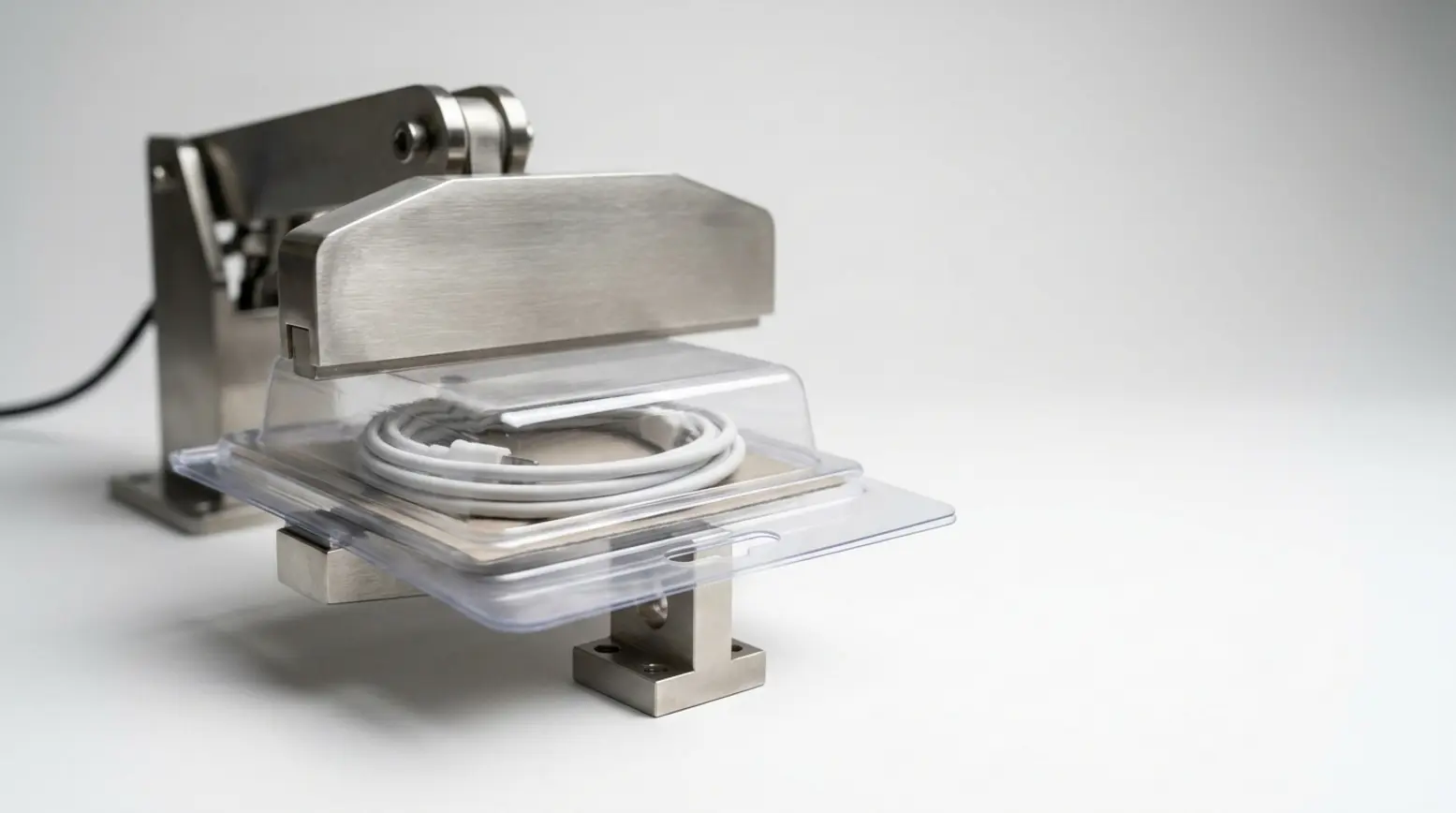
A clamshell is a plastic package featuring two connected or matching parts that close securely around a product. A clamshell container only requires a clamshell sealing machine when the packaging closes by sealing plastic to plastic along the flange. If the package utilizes tabs, snaps, or locks, sealing equipment might not be necessary. For this reason, buyers should evaluate their package design and machinery options together. In this article, we explain when sealing is required, what makes a sealed clamshell more demanding, and what details to verify before requesting a machine quotation.
• A clamshell sealing machine is necessary for sealing plastic-to-plastic flanges, but it is not required for every type of clamshell package.
• The closing method must be determined first, as it dictates whether sealing the clamshell packaging is actually part of the process.
• Flange shape, material type, heat, pressure, seal time, and cooling all significantly impact the final sealing results.
• Production volume dictates the appropriate level of handling, automation, and necessary clamshell packaging equipment.
• Buyers can prevent unexpected delays by reviewing package geometry, desired output, changeover processes, and line integration early on.
When a clamshell sealing machine is needed
A clamshell sealing machine is required when a plastic clamshell package closes by sealing one plastic flange to another. Because this is a plastic-to-plastic sealing process, the equipment must create a controlled seal in a precise area. However, not all clamshells function this way. Many close using tabs, snaps, or built-in locking features, meaning a permanent seal is not always necessary. Buyers often group all clamshell formats together, which can lead to evaluating the wrong type of machinery. Therefore, the first question should always address how the package closes, as this detail ultimately determines whether a packaging machine is needed at all.
Clamshell versus blister card
A conventional blister card relies on a formed plastic blister that seals directly to a cardboard backing. A clamshell operates differently, as the package essentially closes on itself to enclose the product. Because these are distinctly different packaging styles, they require entirely different tooling and process controls. While a carded blister involves sealing the blister to a board, a sealed clamshell relies on sealing plastic to plastic within the correct flange area. Consequently, this shifts both the sealing method and the fundamental machinery requirements.
Clamshell versus trapped blister
A trapped blister represents another format entirely, featuring a unique construction. In this style, the blister flange sits between two layers of card, and the cardboard structure securely holds the blister in place. A clamshell blister does not function the same way, as the plastic components close directly around the item. Because of this structural difference, the tooling layout, support points, and sealing conditions differ significantly from those used for a trapped blister.
What a clamshell sealing machine must control during sealing
When a clamshell utilizes a sealed flange, the clamshell sealing machine must apply highly controlled contact across the entire sealing area. This involves regulating heat, pressure, seal time, and cooling. These factors work in tandem, and achieving the right balance depends on the material type, the package shape, and how the flange itself is formed. Consequently, clamshell heat sealing is not just a generic blister packaging step. A sealed clamshell frequently demands careful package support and accurate alignment, ensuring the flanges meet correctly to produce a consistent, reliable seal.
Why flange geometry matters
The flange is the outer edge where the actual sealing takes place, meaning its width and shape have a direct impact on tooling requirements and seal quality. A wide, even flange is typically much easier to support than a narrow or uneven one. If the flange changes shape around the perimeter of the package, the tooling requires more precise contact, and package positioning becomes critical. As a result, even minor geometry changes can have a profound effect on the clamshell tooling and the overall repeatability of the sealing performance.
Why plastic-to-plastic sealing is a specific tooling job
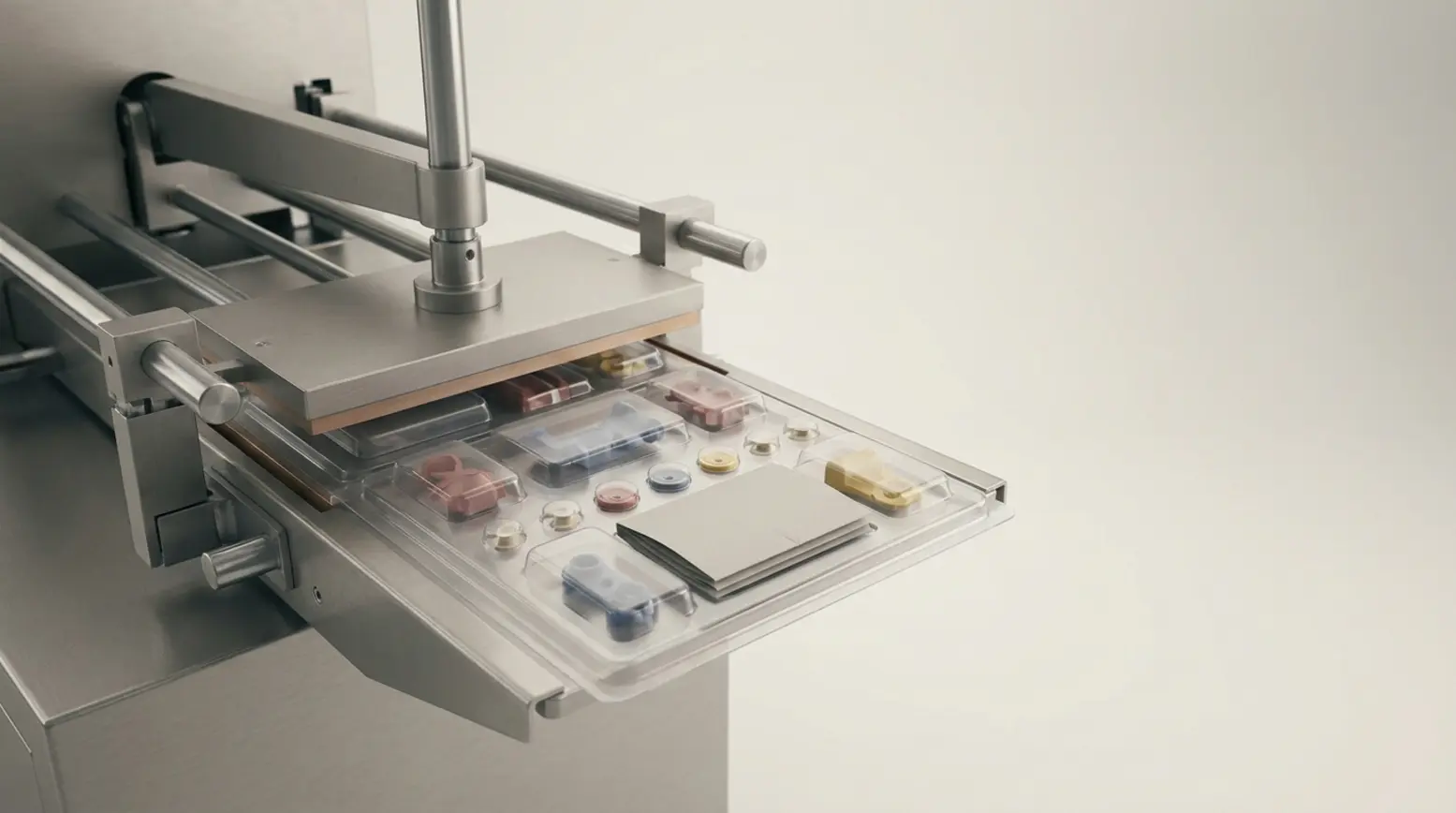
Plastic-to-plastic sealing requires tooling that supports the package in the exact right places while applying contact precisely where the flange must seal. This process can easily become complex because a plastic clamshell package may feature formed details, specialized hinge areas, varying product depths, and unique flange variations. Each of these elements alters how the tooling must be constructed and how the package should be presented to the sealing station. Because of these variables, not every blister platform can accommodate every sealed clamshell design, even if the packages appear similar at first glance.
How to match a clamshell sealing machine to package design
Many brands opt for transparent retail clamshell packaging because the product remains entirely visible while safely enclosed. This transparency is highly beneficial in retail environments where product display is crucial. At the same time, the end user's opening experience depends heavily on the flange design, the chosen sealing method, and any locking features integrated into the package. While resistance to unwanted opening can be improved through clever construction choices, it is never guaranteed; therefore, the physical package must always be tested. Furthermore, easy opening and strong package resistance often represent competing goals. This is precisely why the machinery choice must align with the actual package design and specific user needs.
When standard blister platforms can help
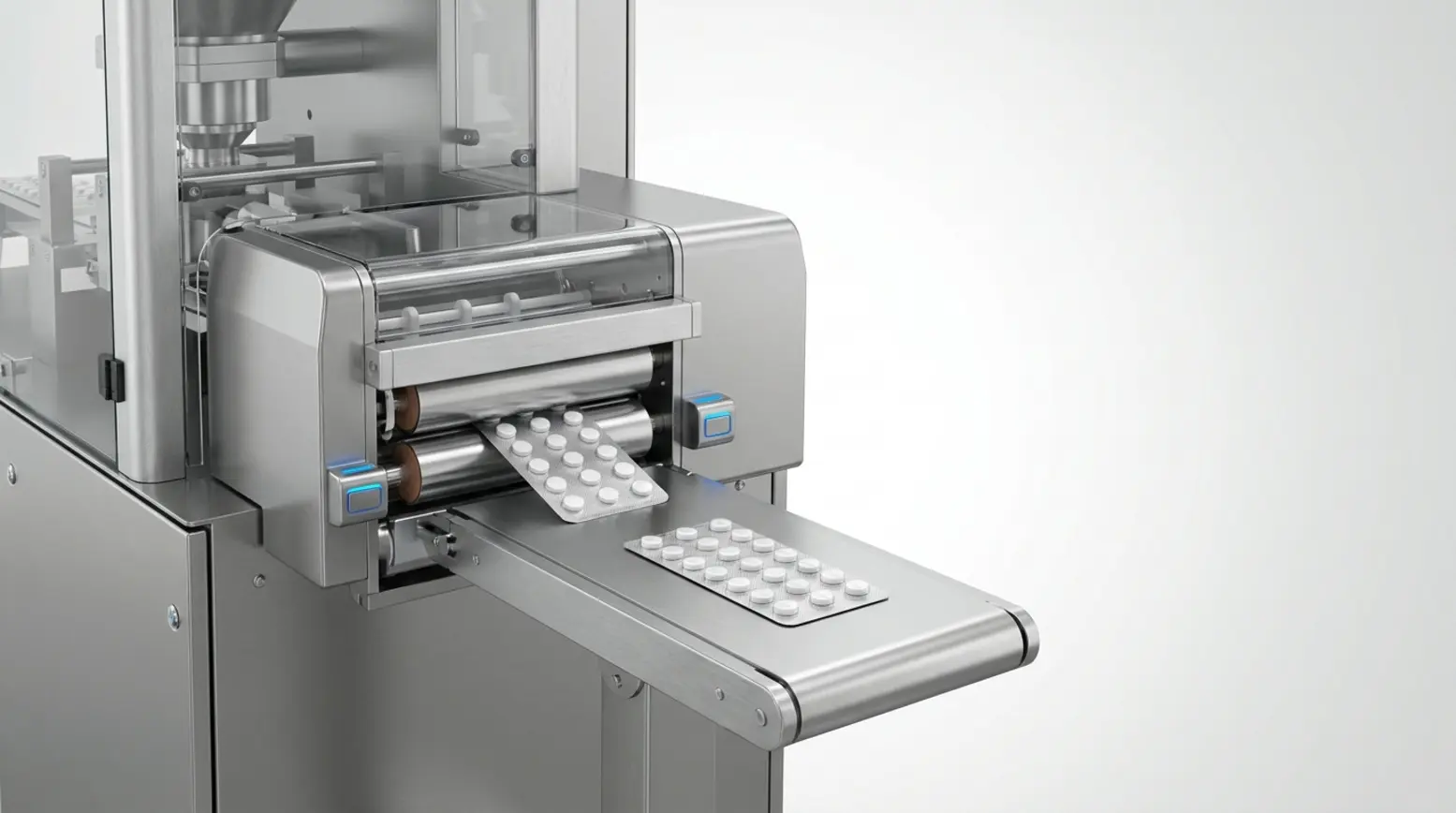
Certain standard blister platforms are capable of supporting various half-clamshell and related blister styles. This flexibility proves useful when the package closely resembles a clamshell blister or another format with comparable handling requirements. However, this adaptability does not mean that every blister machine can handle every form of clamshell sealing. Ultimately, the perfect fit depends on the closing method, the flange design, the chosen material, and the precise level of process control needed to run the package efficiently.
When dedicated plastic-to-plastic platforms are more suitable
Certain projects require a highly dedicated plastic-to-plastic sealing approach. Current Starview clamshell systems feature specialized plastic-to-plastic rotary and carousel platforms specifically tailored for this type of demanding work. Having dedicated machinery matters most when package geometry, high output goals, or stringent sealing demands exceed what a general blister setup can reliably support. We leverage our extensive packaging knowledge to correctly match the flange, material, and equipment, ensuring the selected setup perfectly fits the real-world application. Subsequent steps are equally important, which is why the transition from initial design to machine implementation should always be a core part of the project review.
Choosing clamshell sealing machine capacity for your production volume
Selecting the right clamshell sealing machine depends entirely on your output requirements and how much of the handling process can remain manual. Lower volumes often pair perfectly with manual or semi-automatic handling, particularly when package sizes change frequently. However, as production volume increases, processes such as feeding, product loading, sealing, cooling, and handling the finished packages typically demand greater automation. Buyers interested in comparing different automation levels can also explore our retail packaging machines to gain a broader perspective on the available machinery paths. By doing this, your production needs remain firmly linked to a practical, comprehensive line concept rather than just a target speed.
Low volume and changeover needs
For lower production volumes, process flexibility typically matters far more than achieving top speeds. Operators might place products into the packaging by hand, close the clamshells manually, or physically move the packages between distinct production steps. This manual approach makes perfect sense when multiple clamshell sizes run on a single line, as frequent changeovers become a normal part of daily production. In these scenarios, easy equipment access, highly repeatable setups, and practical tooling changes are vital for maintaining stable operations and maximizing labor efficiency.
Medium to high volume and line integration
At medium to high production volumes, the overall process flow becomes critically important because every individual step directly impacts uptime and labor costs. To maintain a steady output, the packaging line may require dedicated product feeding, highly controlled loading systems, clearly defined cooling times, and streamlined finished package handling. In this environment, a clamshell packaging machine should be evaluated as an integral part of the complete production line rather than just an isolated sealing station. Taking this comprehensive approach provides a much clearer view of how automation, operator involvement, and downstream handling all seamlessly fit together.
Buying a clamshell sealing machine with fewer surprises
Before requesting a machine quotation, we highly recommend preparing a brief technical review outlining your actual package design and real production targets. Carefully check the closing method, material type, flange geometry, tooling requirements, expected output, changeover plans, feeding methods, and downstream handling processes. These specific details shape the machinery choice far more than a simple speed target ever could, as they clearly define what the process must actually accomplish. Additionally, it is incredibly helpful to note whether your project involves a simple clamshell blister, a fully sealed clamshell, or another unique package format that might require entirely different clamshell packaging equipment.
Support after the initial machine selection is equally vital. Proper installation, seamless line integration, and ongoing technical support should all factor into your purchasing decision; after all, even a premium machine requires the correct setup to perform optimally in production. If you are still in the early phases of your project, we can happily review your package geometry and production targets through a complimentary Quick Scan. Alternatively, if your package details are finalized, please contact us so we can discuss your actual clamshell, flange structure, material choices, and output requirements in a highly practical way.
Questions about clamshell sealing machine projects
Does every clamshell need sealing equipment?
No. Many clamshells close mechanically using interlocking tabs, snaps, or friction locks. However, a package utilizing a sealed plastic-to-plastic flange absolutely requires sealing equipment, as forming that closure relies on highly controlled heat, pressure, precise contact, and adequate cooling.
Can any blister machine run a clamshell?
No. While some standard blister platforms can support specific clamshell styles, not every blister machine is suited for every type of clamshell construction. Ultimately, the package design, flange geometry, material behavior, and chosen sealing method dictate exactly what the machine and its tooling must be capable of doing.
What makes tooling difficult on a sealed clamshell?
Complex flange shapes, extremely narrow sealing areas, tricky package registration, and unpredictable material behavior can all make clamshell tooling exceptionally demanding. Because the tooling must perfectly support the package while applying firm contact in exactly the right sealing zones, even the smallest modifications to the package design can significantly affect the machine setup.
What should we prepare before asking for a machine review?
Be prepared to share details about the package style, the material used, the flange shape, your expected output, necessary handling requirements, and any anticipated changeover or integration needs. Providing this information creates a much stronger foundation for a useful, accurate review, ensuring the proposed machinery can be expertly matched to both the real package and your actual production process.