Soluzioni per l'imballaggio secondario: efficienza e precisione per retail e settore farmaceutico


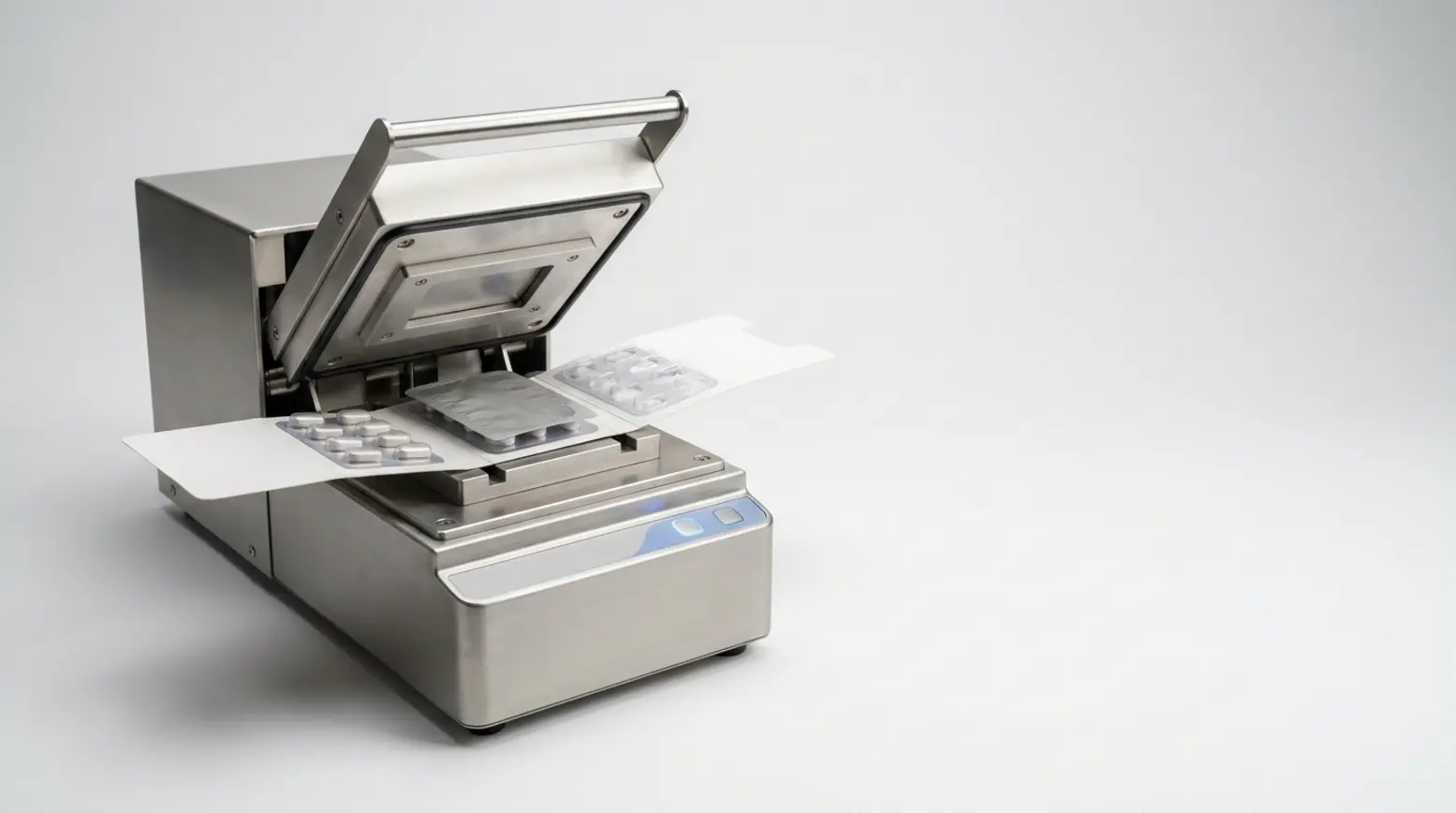
Nel processo di confezionamento, la distinzione tra imballaggio primario e secondario è fondamentale. L'imballaggio primario è il materiale a diretto contatto con il prodotto, che funge da primo strato di protezione e garantisce sicurezza e usabilità. Ad esempio, nell'industria farmaceutica, una striscia di blister contenente compresse è considerata un imballaggio primario. L'imballaggio secondario, invece, è lo strato esterno che raggruppa o contiene queste confezioni primarie, rendendole più facili da maneggiare, trasportare o esporre.
Ad esempio, se una striscia di blister contenente compresse viene inserita e sigillata in un wallet cold seal, tale wallet costituisce l'imballaggio secondario.
Il ruolo delle attrezzature per l'imballaggio secondario
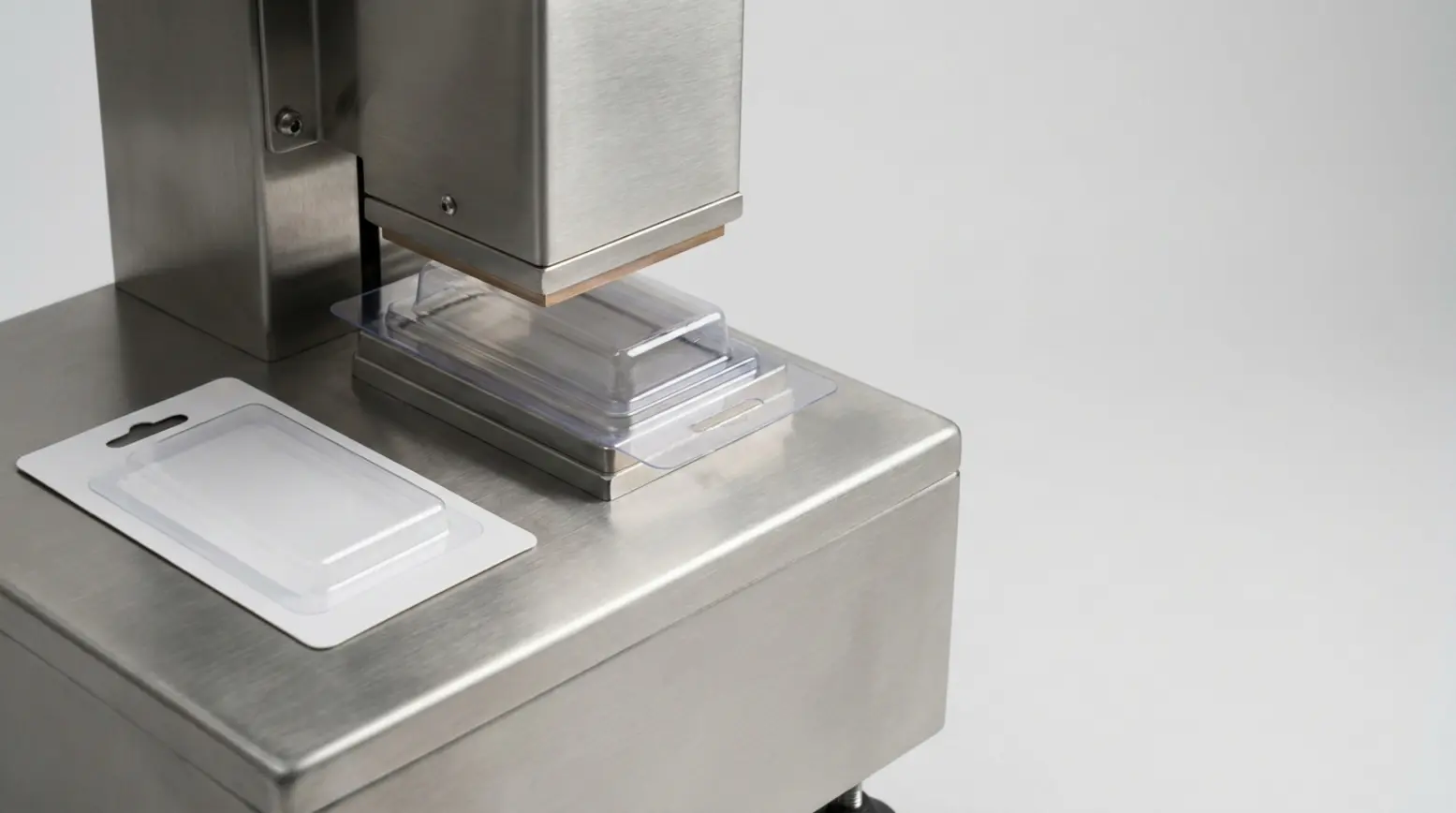
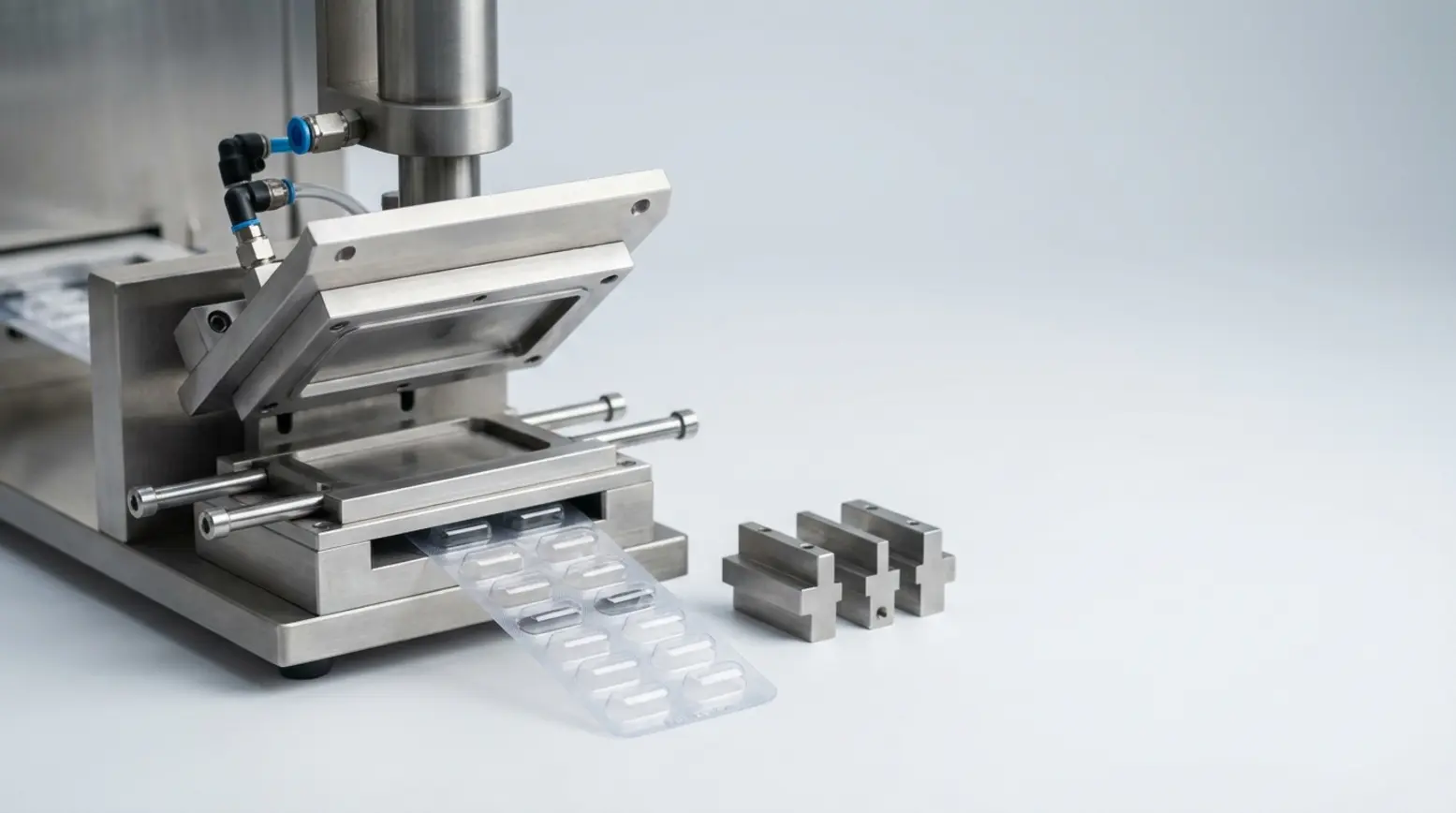
Le apparecchiature per l'imballaggio secondario automatizzano il processo di raggruppamento, protezione e organizzazione dei prodotti in confezione primaria. In questo modo i prodotti sono sicuri per il trasporto, facilmente identificabili e spesso pronti per l'esposizione al dettaglio.
Vantaggi delle attrezzature per l'imballaggio secondario
Le macchine per il confezionamento farmaceutico svolgono un ruolo fondamentale nel migliorare l'efficienza, garantire la sicurezza del prodotto e migliorare la presentazione del marchio nel settore farmaceutico:
- Gestione efficiente dei prodotti: i sistemi automatizzati organizzano e confezionano i prodotti più velocemente rispetto ai processi manuali, riducendo i costi di manodopera e aumentando la produzione.
- Protezione avanzata: l'imballaggio secondario protegge i prodotti dai danni fisici durante la spedizione e lo stoccaggio.
- Conformità normativa: in particolare nel settore farmaceutico, il confezionamento secondario include dettagli essenziali quali numeri di lotto e date di scadenza, garantendo la conformità agli standard di sicurezza e tracciabilità.
- Presentazione migliorata: l'imballaggio secondario funge spesso da opportunità di brand, con cartoni o involucri stampati che attirano l'attenzione sugli scaffali.
Scelta dell'attrezzatura più adatta
Nella scelta delle attrezzature per l'imballaggio secondario, le aziende devono considerare:
- Compatibilità: l'apparecchiatura deve integrarsi perfettamente con i formati di imballaggio primari.
- Requisiti normativi: per settori come quello farmaceutico, le macchine devono supportare la serializzazione e la conformità all'etichettatura.
- Personalizzazione: capacità di adattarsi a diverse forme, dimensioni e esigenze di branding dei prodotti.
- Efficienza: sistemi automatizzati che riducono al minimo gli sprechi e migliorano la produttività.
- Quantità annuali richieste
Adottare soluzioni di imballaggio secondario
L'imballaggio secondario è una componente fondamentale del percorso del prodotto, dalle linee di produzione agli utenti finali. Attrezzature all'avanguardia garantiscono che questo processo sia efficiente, conforme e ottimizzato sia per la protezione che per la presentazione. Investendo nelle giuste soluzioni di imballaggio secondario, le aziende possono migliorare l'efficienza operativa, ridurre i costi e offrire un'esperienza migliore ai clienti.